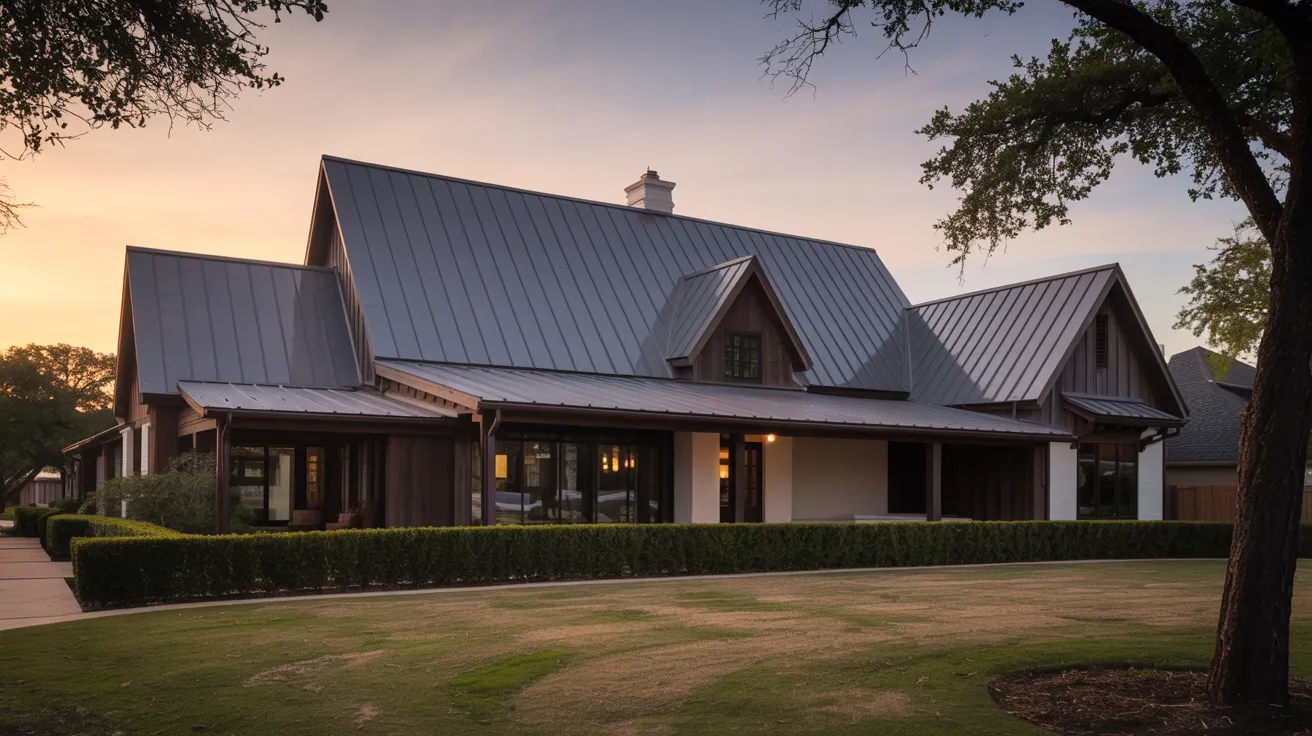
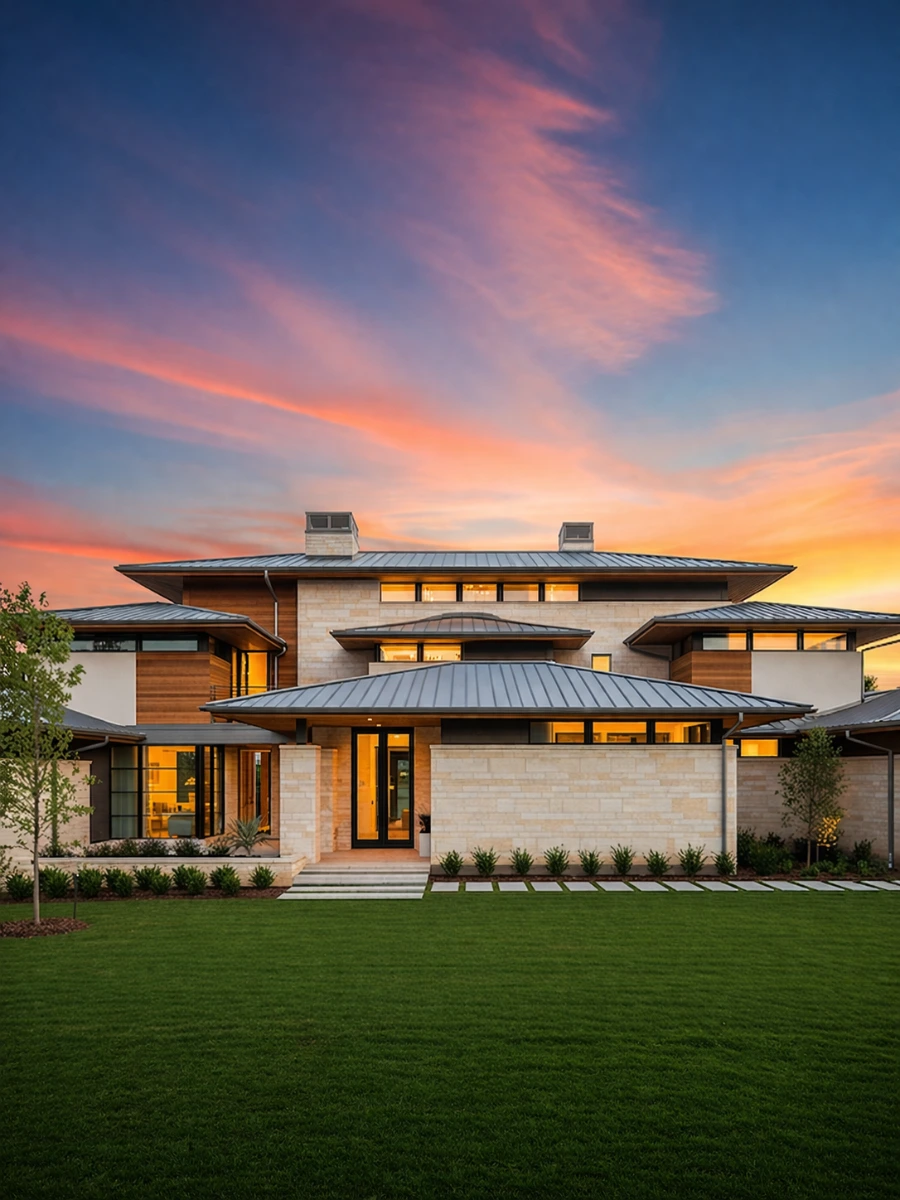
If you have been thinking about installing a metal roof, you're not alone. The Dallas weather can be tough on your home's roof, especially with the heat and hail. That's why many people are choosing a metal roof for their homes and properties. They can work great for cozy single-family homes, townhomes, or even multi-story residences. Metal roofs can really hold their own against the unpredictable North Texas weather. We install residential metal roofs in Farmers Branch and across Dallas and the surrounding area.
Metal roofs are one option in our residential roofing services.
If you're dealing with a storm-damaged roof, or looking to upgrade the old shingles on your current roof, or you're starting from scratch with a new build, a metal roof could be exactly what you need.
We're here to help guide you through the entire roofing process. Installing a new roof can be stressful, so we help you through every step of the way. We will help from the initial complimentary inspection through the final walk-through after the metal roof has been installed. Let's work together to protect your home and boost its curb appeal!
What is a residential metal roof installation in Dallas?
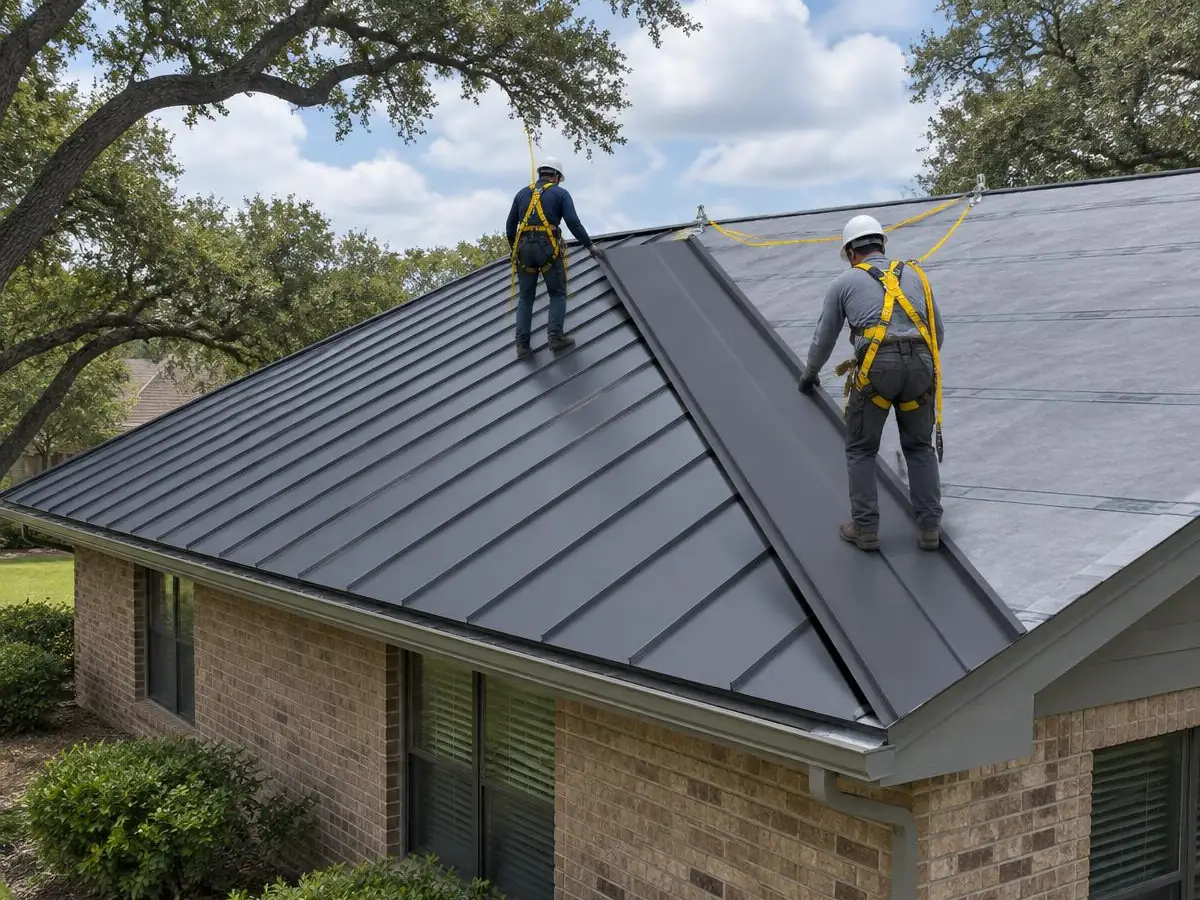
A residential metal roof installation is the process of replacing your aging shingles or existing roof with steel, aluminum, or metal-alloy panels built to last 40 to 70 years. For Dallas homeowners specifically, metal roofs do a great job of reflecting solar heat and withstanding hail damage better than most traditional roofing materials. #1
Steps for a Residential Metal Roof Installation:
- Schedule a roof inspection so we can check the condition of your deck and look for any storm damage.
- Pick out the metal panel type, gauge, and finish color that works best for your home.
- Remove the existing roofing material and repair or replace any damaged decking underneath.
- Install underlayment, drip edge, flashing, and metal panels working from the eave up to the ridge.
- Walk through the finished project together to make sure all seams, fasteners, and drainage points look right.
Common Metal Roof Problems Dallas Homeowners Should Know
If you've been looking into metal roofing for your home, you've probably come across a few things that made you stop to think. When you're doing online searches for metal roofing, you will see terms like thermal expansion, fastener loosening, and oil canning. Although these terms might sound intimidating at first, understanding them is important for your decision-making process. The reality is that most of these issues are more about how the roof was installed than about the metal itself. #3
Thermal expansion is when the metal panels shift slightly as they heat up and cool down throughout the day. Standing seam systems use special clips that allow the panels to move in a controlled manner, so expansion doesn't cause problems over time.
Exposed fasteners are another common topic. Over the years, the rubber seals around the fasteners can dry out and loosen, sometimes leading to small leaks. The good news is that concealed-fastener systems, such as standing-seam systems, eliminate that risk altogether because there are no exposed screws on the roof surface.
You might also hear about oil canning, which is that wavy or rippled look you sometimes see on flat metal panels due to temperature changes. It's purely cosmetic and doesn't affect how the roof performs at all. Flat-lock seams and panel striations can sometimes be seen on larger panels. The term comes from the process of taking an oil can and pressing the flexible bottom portion, which makes it pop in and out and also makes that familiar noise.
Dallas homeowners in areas like Lake Highlands and Preston Hollow deal with temperature swings that can be harder on roofing materials than in more moderate climates. Our summers regularly push past 100°F, and then we have the occasional freeze in winter. Those seasonal cycles can put extra stress on fastener seals on the roof. This is why PVDF-coated panels are a solid choice here, since they withstand UV exposure and retain their reflectivity longer than standard finishes. #1
How to Choose the Best Metal Roof for Your Dallas Home
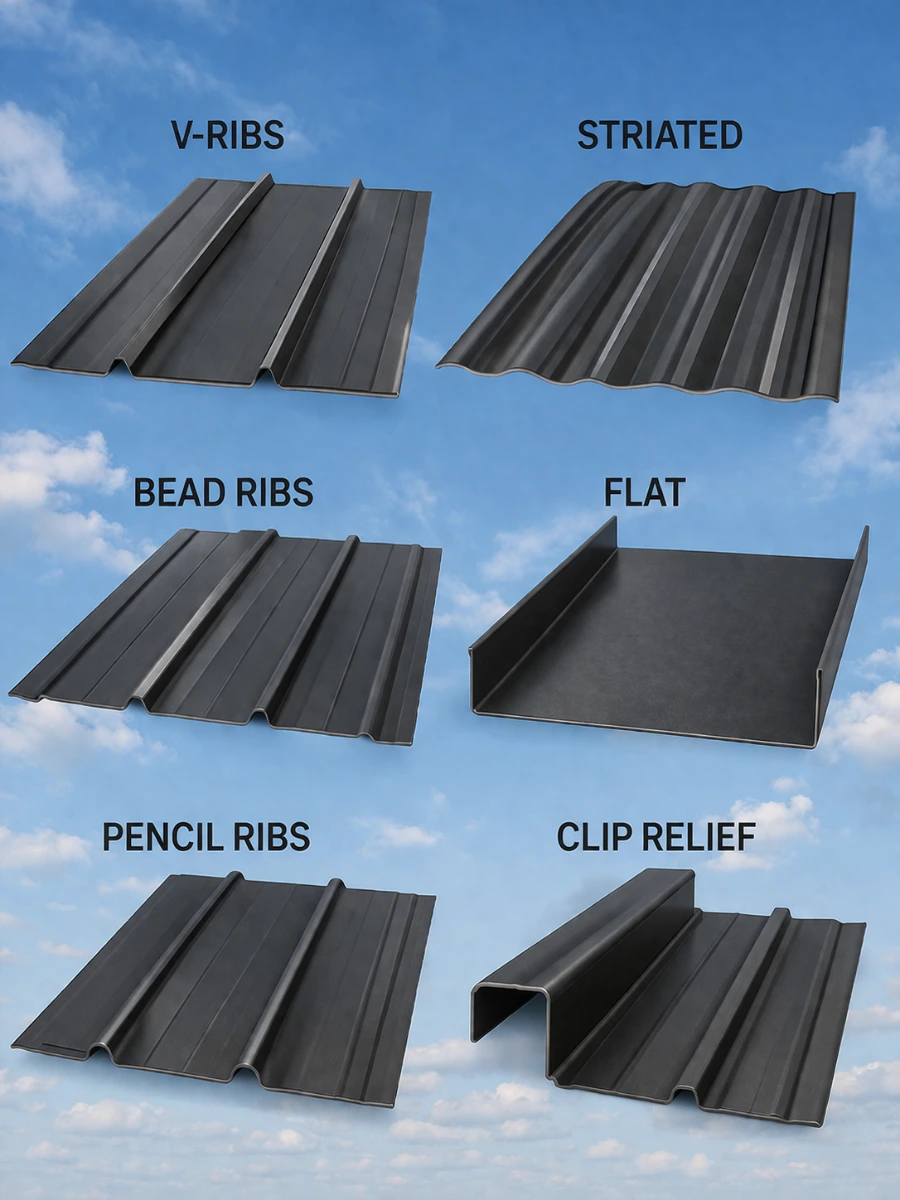
When you are deciding on the right style of metal roof for your home, it really comes down to three things: the style of your house, the weather it needs to handle, and how long you want the roof to last. There are a few panel types, and each one has its own strengths depending on what matters most to you.
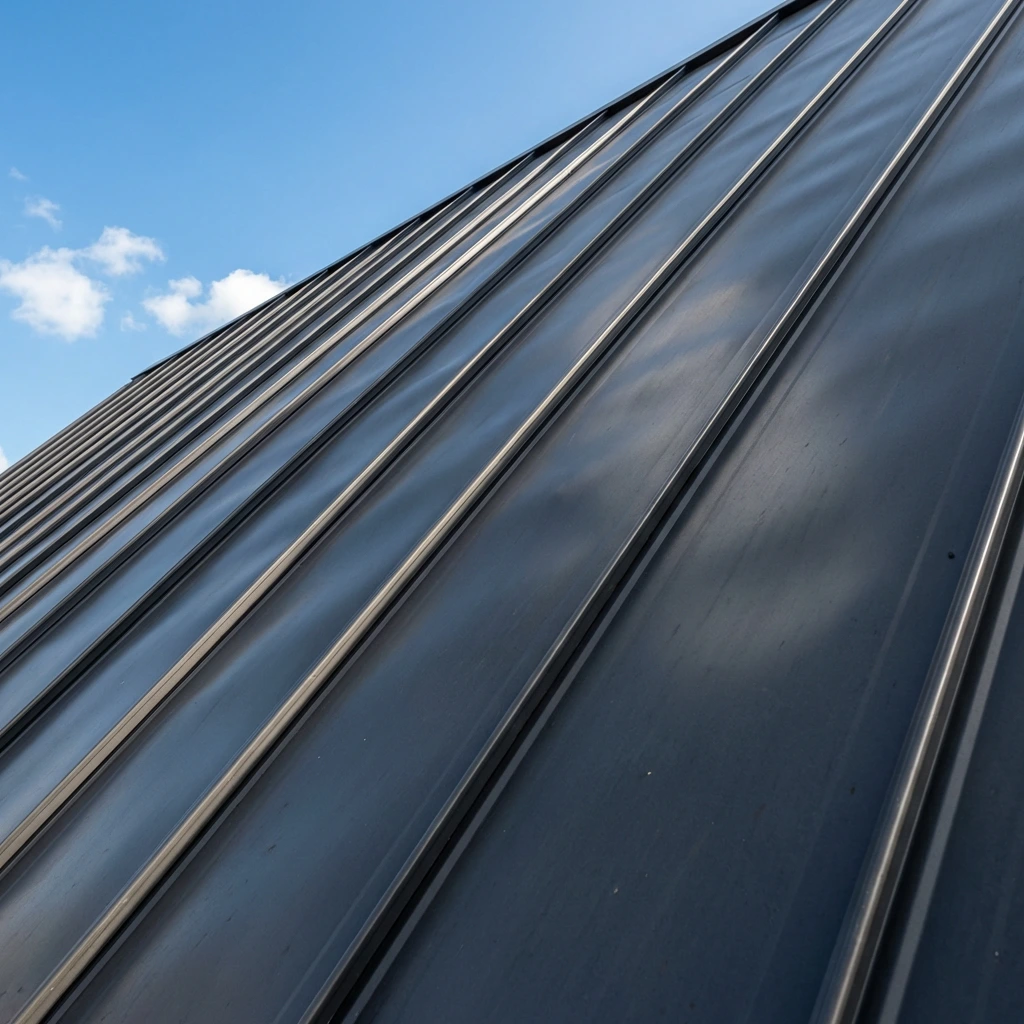
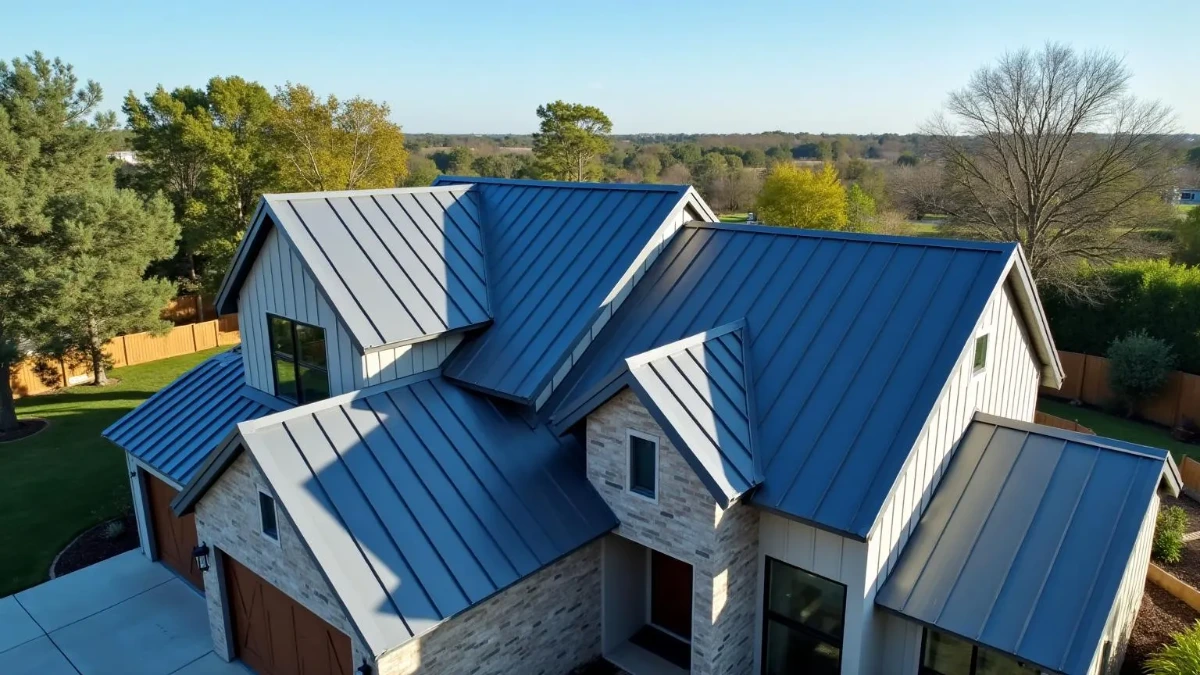
The standing seam panels are probably the most popular option for Dallas homes right now. The fasteners are hidden beneath the panels, so nothing is exposed on the surface that could loosen or wear out over time. They also have some of the highest wind uplift ratings available, which is a nice bonus when spring storms roll through. If you have a modern or ranch-style home, a standing seam can look really nice.
Metal shingles are another solid option, especially if you like the appearance of slate or wood shake but want something that lasts a lot longer. They work great on steep-slope roofs and come with a Class A fire rating, which is the highest you can get. For homeowners in Highland Park who want to keep that traditional neighborhood feel without sacrificing durability, metal shingles can be a really good fit.
Corrugated panels are the most budget-friendly of the three types we are mentioning here. They work well for detached garages, workshops, or situations where you want the benefits of metal without a big investment. Some homeowners also use them on primary residences, and they can look great with the right color and home profile.
No matter which panel type you're leaning toward, it's a good idea to look for a UL 2218 Class 4 impact rating. That's the highest level of hail resistance available, and in a hail-prone area like Dallas, it can make a real difference in how your roof holds up after a storm.
What Gauge Metal Roofing Works Best on Residential Homes
If you've gotten a few quotes for a metal roof, you've probably noticed that different contractors recommend different gauge options. The gauge number refers to how thick the steel is, and it can be a little confusing because the numbers actually work backward. A lower gauge number means thicker, stronger steel.
There are typically four main gauges of steel used for residential metal roofing: 22, 24, 26, and 29. The 22-gauge is the thickest and the most expensive. For most Dallas homes, we recommend 24-gauge steel as the standard for standing-seam installations. It's the strongest residential option available at a decent price, and it offers impressive resistance to hail denting. When you're living in an area like Lakewood or Lower Greenville, where spring hailstorms are just part of life, that extra thickness can really pay off over time.
The 26-gauge steel thickness is a step lighter and a little less rigid. You'll typically see it used for exposed-fastener rib panels. It's not quite as strong as 24-gauge, especially when it comes to taking a hit from hail, but it still does well for secondary structures like sheds or covered patios.
29-gauge steel is the thinnest option you'll come across, and honestly, it's too thin for most Dallas homes. Panels at this gauge are the most prone to oil canning and they can dent a lot easier. For a primary residence, especially one that's going to face our North Texas weather year after year, 29-gauge just doesn't hold up as well as the other gauges. #2
Most roofers here will tell you the same thing. A 24-gauge metal roof is the minimum you should be considering for your main home. The recurring spring hailstorms we get in our area make that extra thickness worth every penny, and it's one of those decisions that you'll appreciate for decades to come.
Why Installing a Metal Roof Over Shingles Requires Expert Planning
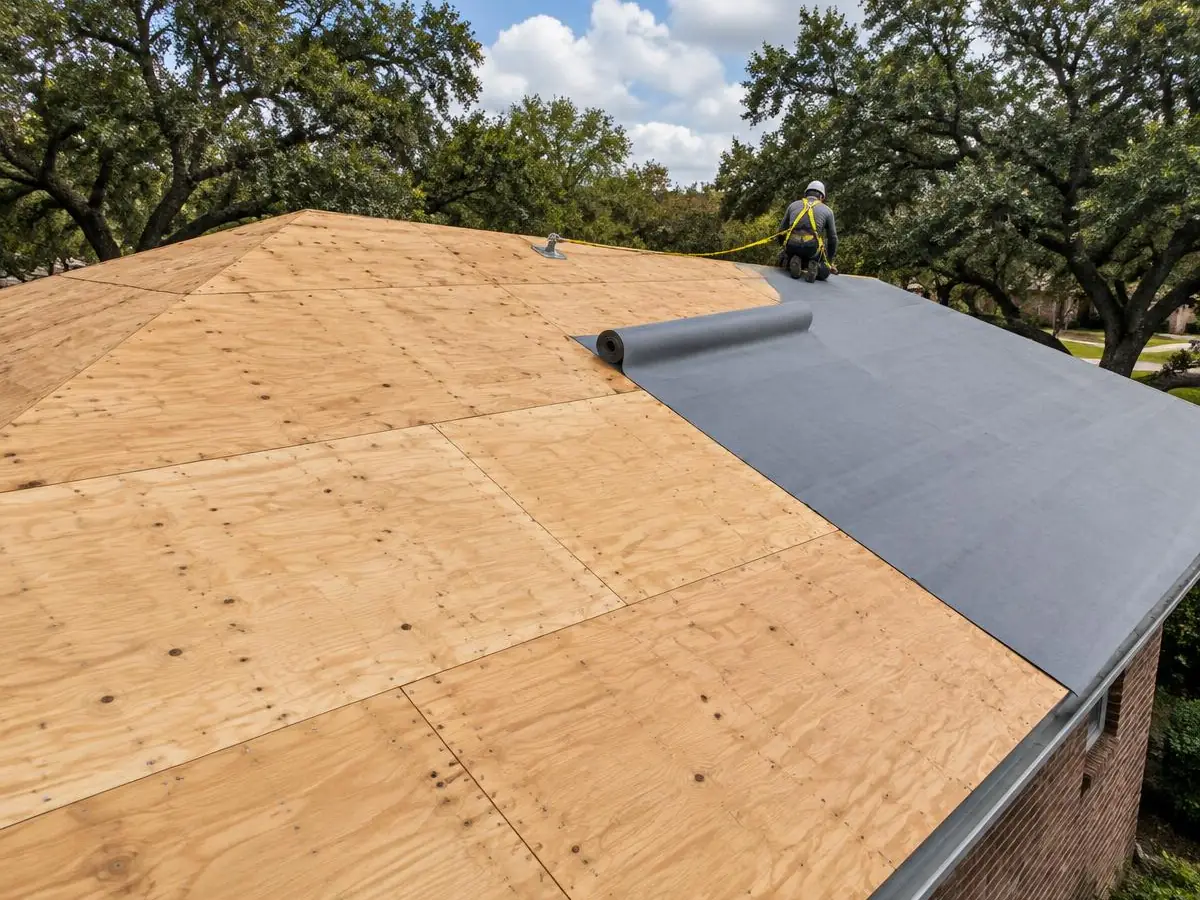
One of the questions we get asked is whether we can install a metal roof directly over your existing shingles. Technically, it's possible in some situations, but there can be real risks that come with it. In most cases, a full tear-off is smarter for the long-term move.
The biggest concern with an overlay is the moisture that can get trapped underneath. When you layer metal panels over your old roof shingles, moisture can get caught between the two layers and doesn't have anywhere to go. That trapped moisture can slowly rot the decking underneath without you ever knowing until the damage is already done.
There's also the issue of an uneven surface. Old shingles don't usually lie perfectly flat, especially after years of Texas heat and weather. When metal panels are installed over a bumpy surface, you can end up with waviness in the finished roof that doesn't look right and can void most manufacturers' warranties.
The International Residential Code also plays a role here. The IRC limits your roof to two total layers, so if your home already has a double layer of shingles, an overlay isn't even an option from a code standpoint. #2 Your city's adopted code sets the layer limit, and the permit covers it.
When we do a full replacement with a tear-off, we have the chance to inspect every inch of the decking. By pulling everything off, we can find those problem areas, replace any damaged sections, and install proper underlayment before the new metal panels go on. It costs a bit more upfront, but it sets the roof up to perform at its best for the next 40 to 70 years, and many manufacturers require it to activate their warranties.
Metal Roofs Add Long-Term Value to Dallas Homes
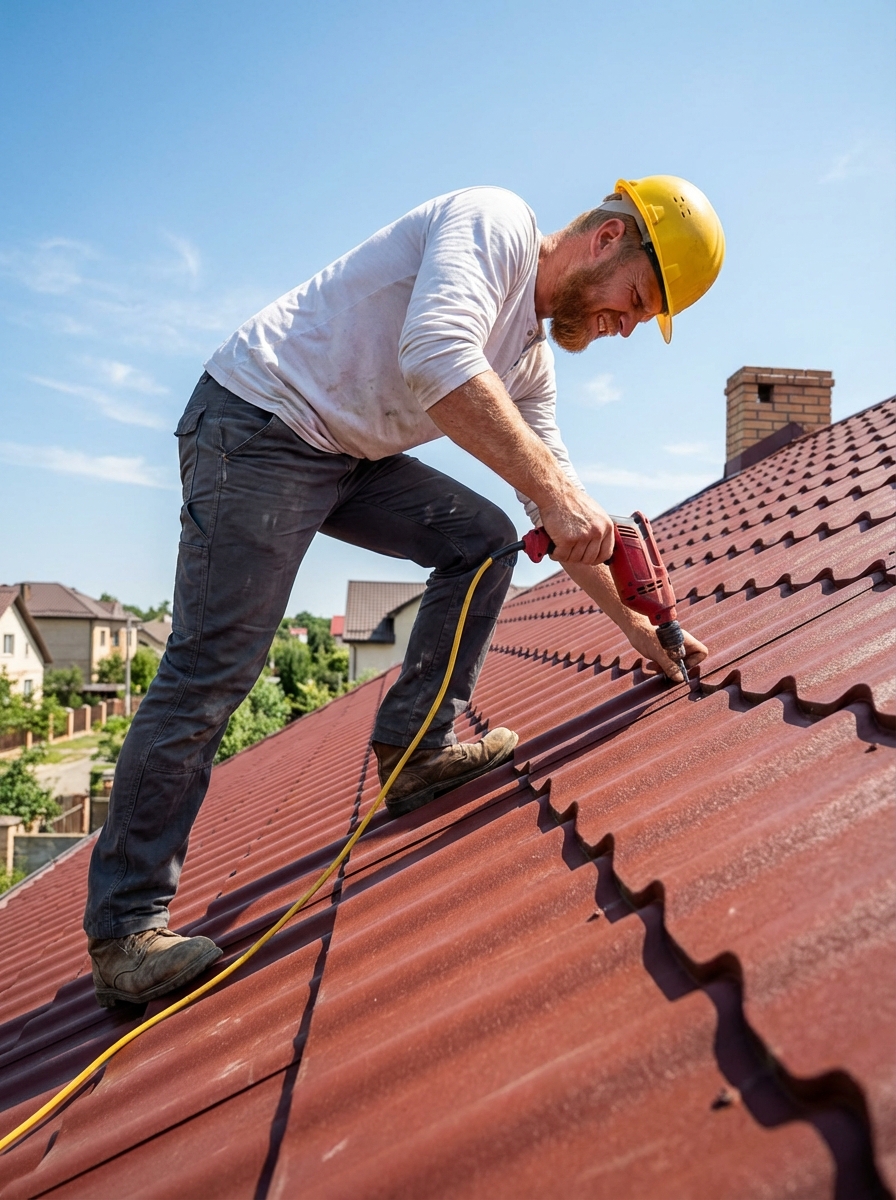
One concern we hear from property owners is whether a metal roof can hurt your home's resale value. Truthfully, it's usually the opposite. A properly installed metal roof can last anywhere from 40 to 70 years, roughly two to three times longer than a standard asphalt shingle roof, which typically lasts 15 to 25 years. #1 For buyers looking at homes in University Park or the M Streets, a metal roof signals that the home has been well cared for and won't need a major roofing expense anytime soon.
The energy savings are another big factor, especially in the Dallas area, where we tend to run air conditioning most of the year. Cool-roof coatings on metal panels reflect solar energy away from your home instead of absorbing it, which can lower cooling costs, according to the DOE Guide to Cool Roofs. #1 When summer electric bills here can climb fast, that can save the homeowner a nice bit of money.
There's also an environmental angle that more homeowners are starting to care about. Metal roofing is recyclable at the end of its life, so when the roof eventually does need to come off decades from now, it doesn't end up in a landfill the way asphalt shingles do.
Another positive thing to consider is that, depending on the panel you choose, a metal roof with a UL 2218 Class 4 impact rating may qualify for some insurance premium reductions. It's worth checking with your carrier to see what discounts might be available, because in a hail-heavy area like ours, those savings can be meaningful over the life of the roof.
In a competitive real estate market like Dallas-Fort Worth, a durable metal roof tells prospective buyers that the home is low-maintenance and built to last. That kind of confidence can make a real difference when it's time to sell.
How Dallas Weather Affects Metal Roof Performance Year-Round
Dallas weather doesn't really give your roof a break at any point during the year. Summers push well past 100°F for weeks at a time, spring brings hail and high winds, and every few years, we can get an ice event that tests everything on your home. The good news is that metal roofs handle all of it better than most people expect.
In the summer months, the biggest advantage of a metal roof is how much cooler it stays compared to traditional asphalt. A dark asphalt roof can absorb a huge amount of heat and transfer it right into your attic and living spaces below. A reflective metal roof surface stays roughly 50°F cooler than dark asphalt under the same conditions, which means your air conditioning doesn't have to work nearly as hard to keep up. #1 For homeowners in White Rock and Kessler Park, that difference shows up on your electric bill every single month from May through October.
When it comes to hail, metal roofs handle it differently than shingles. A hailstone can dent a metal panel, and you might see cosmetic marks after a storm, but it rarely punctures through the surface. That's a big deal because it's the puncture that lets water in and causes real damage. If hail resistance is a priority for you, and in Dallas, it probably should be, look for panels with a UL 2218 Class 4 impact rating, which is the highest available.
High winds are another factor, and standing seam panels do really well in that department. When properly installed, they can resist wind uplift at 140 mph or higher, which covers just about anything a North Texas thunderstorm throws at them. #2
Even ice events, which are less common here but still happen, tend to go well for metal roofs. Metal sheds snow and ice faster than shingles do, and snow guards can be added to manage the slide-off on steeper slopes so it doesn't come down all at once. #1
Frequently Asked Questions
How long does a metal roof last in Dallas?
A properly installed metal roof can last anywhere from 40 to 70 years, depending on the material and how well it's maintained over time. Dallas heat and hail make quality installation and a 24-gauge minimum pretty important if you want to get the most life out of your roof.
Can a metal roof be installed over existing shingles in Dallas?
It's possible in some situations, but we generally recommend a full tear-off instead. Removing the old shingles lets us inspect the decking underneath for hidden damage and avoid any trapped moisture issues. The IRC also limits roofing to two total layers, so if your home already has two layers, overlay isn't an option.
Does a metal roof withstand Dallas hailstorms?
Metal roofs can dent from hail, but they rarely puncture through, which is what actually causes water damage. If hail protection is a priority, and it usually is around here, look for panels with a UL 2218 Class 4 impact rating. That's the highest level of hail resistance you can get.
Will a metal roof make my Dallas home hotter in summer?
Actually, it's the opposite. Reflective metal roofs stay about 50°F cooler than dark asphalt shingles under the same sun, and that can lower cooling costs, according to the DOE Guide to Cool Roofs. In a Dallas summer, that makes a noticeable difference on your energy bills.
What is the best gauge for a residential metal roof in Dallas?
24-gauge steel is what we recommend as the minimum for Dallas homes. It gives you the best combination of hail resistance, structural strength, and long-term durability. Thinner gauges like 29-gauge tend to dent too easily for a primary residence in a hail-prone area.
Does a metal roof increase home value in the Dallas area?
A metal roof can absolutely help with resale value. It lasts two to three times longer than asphalt, lowers energy costs, and signals to buyers that the home won't need a major roof expense for decades. In the Dallas-Fort Worth area's busy housing market, that durability stands out.
Citations & Resources
- U.S. Department of Energy, "Guide to Cool Roofs": https://www.energy.gov/sites/prod/files/guide_to_cool_roofs.pdf
- DOE Building America Solution Center (PNNL), "Metal Roofs": https://basc.pnnl.gov/resource-guides/metal-roofs
- Metal Construction Association (MCA), "Metal Roof Installation Manual": https://metalconstruction.org/index.php/products/metal-roof-installation-manual
Ready for Your
Metal Roofing?
Get a free, no-obligation evaluation from our GAF certified team in Farmers Branch. We'll inspect your property, provide a written estimate, and walk you through every option.
Want to pay over time? Check your financing options.


Need A Roofing Contractor? Request An Estimate!
Fill out the form and we'll get back to you promptly.
Metal Roofing Throughout Dallas-Fort Worth
We provide metal roofing services across the Dallas-Fort Worth area: