
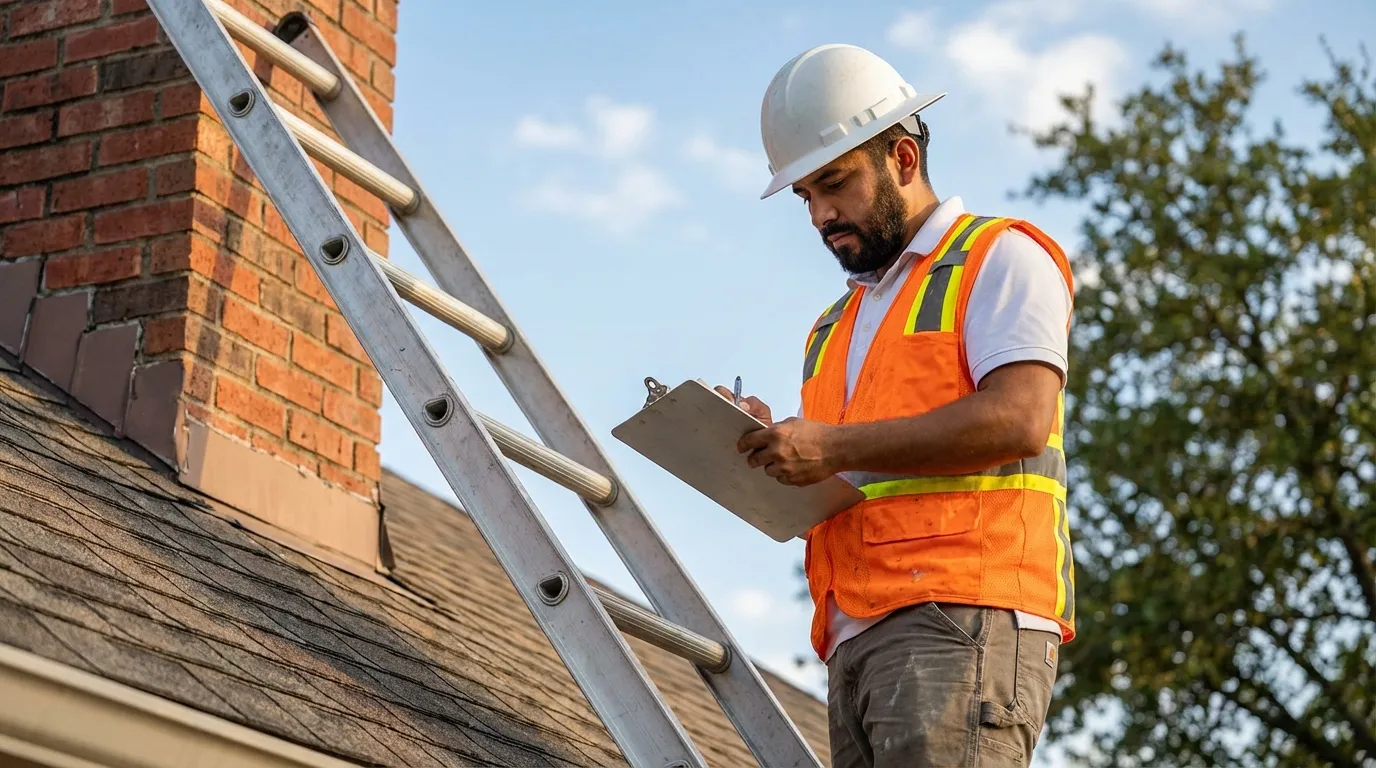
Roofing Insurance Claims Help in Farmers Branch and Across DFW
In Dallas, severe hail and wind storms create thousands of roof damage claims each year. We simplify the claims process from your first inspection through final repair.
Your Roof Damage Documentation Determines Claim Success
Strong documentation builds a strong claim. After hail hits Preston Hollow or wind tears through Lakewood, your photos and records can become your best evidence.
We support your claim through our storm damage roofing services in Farmers Branch.
What to document:
- Shingles with cracks, dents, or missing pieces
- Flashing around vents, chimneys, and skylights
- Gutters with dents or granule buildup
- Interior water stains on ceilings or walls
- Attic leaks or wet insulation
The Texas Department of Insurance recommends taking photos and videos of your property after storm damage.1 Timestamped images tie your damage to specific weather events tracked by the National Weather Service.
A written inspection report from a roofing contractor adds weight to your claim file. Adjusters review these reports during their assessment. Photos alone show damage. A professional report explains what the damage means and what repairs are needed. Dallas hail events often affect entire neighborhoods at once. Your documentation helps prove your roof was damaged during a specific storm rather than from age or wear.
Insurance Adjusters Evaluate Specific Storm Damage in Dallas
When the adjuster arrives at your Preston Hollow or East Dallas home, they follow a specific checklist. Knowing what they look for helps you prepare.
Exterior signs adjusters check:
- Hail bruising on shingles (soft spots under the granules)
- Granule loss exposing the asphalt layer beneath
- Cracked or split shingles
- Wind uplift along edges and ridges
- Dents or impact marks on gutters, vents, and siding
Interior signs that matter:
- Water stains on ceilings or walls
- Attic leaks or daylight through the roof deck
- Soft spots in the decking
- Wet or compressed insulation
Impact marks on metal surfaces like gutters and flashing often signal roof damage. If hail dented your downspouts, it likely hit your shingles too.
The National Roofing Contractors Association provides inspection standards that address shingle condition, flashing integrity, and structural assessment.2 Professional inspections follow these guidelines to identify damage that adjusters might miss from ground level. North Texas severe weather creates distinct hail impact patterns. Adjusters working this region recognize these local storm signatures. A professional inspection report with photo documentation provides clear evidence of the true extent of damage.3
Roof Age and Policy Type Affect Your Claim Payout
Your roof's age and your policy type directly affect how much your insurance pays. Highland Park and Farmers Branch homeowners with older roofs often discover this during the claims process.
Replacement cost coverage pays the full price to repair or replace your roof at current rates. If your roof costs $15,000 to replace today, that is what the policy pays after your deductible.
Actual cash value coverage deducts depreciation based on your roof's age and condition. A 15-year-old roof on a 25-year shingle system has lost value. Your payout reflects that reduced value, not today's replacement cost.
The Texas Department of Insurance explains that some policies pay the full cost to repair your roof at current prices, while others pay less if the roof is older or showing wear.4 As roofs age, some companies will switch to actual cash value, and if your roof is in poor condition, they might not cover it at all.5
Before you file a claim:
- Review your declarations page for coverage type
- Check for any age-related coverage changes
- Note your roof's installation date
- Understand your wind and hail deductible amount
Dallas homes built before 2000 often face coverage reductions due to roof age. A policy review before filing prevents surprises when your settlement arrives.
A Qualified Contractor Strengthens Your Insurance Claim
Having a roofing contractor inspect your roof before you file gives you a documented record of the damage to share with your insurance company.
Why contractor involvement matters:
Adjusters spend limited time on each property. They work from the ground when possible and move quickly through inspections. A trained roofing contractor climbs the roof, checks every slope, and finds damage that ground-level inspections miss.
Hidden damage is common after Dallas storms. Soft spots in decking, compromised underlayment, and flashing failures do not always show from the street. Your contractor documents these issues with photos and measurements before the adjuster arrives.
Professional inspection reports support your claim in three ways:
- They identify damage in writing with visual evidence
- They provide repair cost estimates based on actual conditions
- They give adjusters a second professional opinion to consider
When adjusters underestimate damage, contractors can file supplements. A supplement is a request for additional funds based on damage the initial estimate missed. Strong documentation from your contractor supports these requests.
Texas homeowners have the right to choose their own contractor for insurance-backed repairs.6 You are not required to use a company your insurance recommends. An independent inspector works for you, not the insurance company. Hiring a certified inspector provides an unbiased, expert assessment focused on the true condition of your roof.7
We attend adjuster meetings with our Dallas area clients. Our presence helps confirm that all damage areas get reviewed and documented during the inspection.
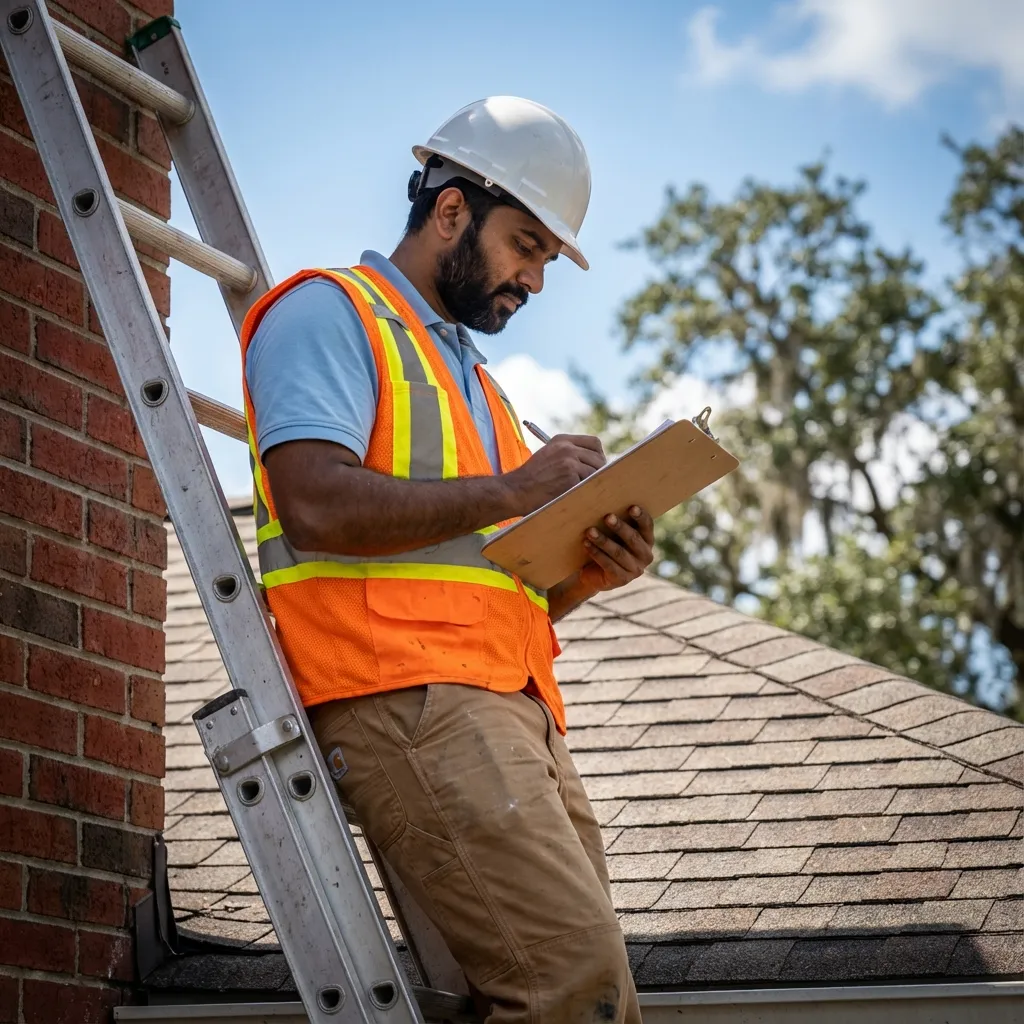
Roof inspection for insurance claim documentation in Lakewood, Dallas
Texas Homeowners Have Rights During the Claims Process
If your claim is denied or underpaid, you have options. Uptown and Deep Ellum residents facing disputes should know what Texas law provides.
Your rights as a Texas homeowner:
- Request a reinspection. If the initial assessment seems incomplete, ask your insurance company to send another adjuster. Provide your contractor's documentation to support the request.
- Get denial reasons in writing. Texas law requires insurers to explain why they denied your claim. This written explanation helps you understand what additional evidence might change the decision.
- File a supplement. When repair estimates fall short of actual costs, your contractor can submit a supplement with additional documentation. Supplements request funds for damage the first estimate missed.
What Texas law requires from you:
Texas Insurance Code Chapter 707 requires homeowners to pay their deductible. No contractor may legally waive, absorb, or rebate your deductible in Dallas or anywhere in Texas.8
The Texas Department of Insurance states that contracts for $1,000 or more involving an insurance settlement must include a notice that the policyholder must pay the deductible.9
What contractors cannot do:
Texas law prohibits roofing contractors from acting as public insurance adjusters on properties where they perform work.10 Your contractor can document damage, attend adjuster meetings, and file supplements. They cannot negotiate settlements or file claims on your behalf.
If you believe your insurer has treated you unfairly, contact the Texas Department of Insurance Consumer Hotline at 1-800-252-3439.
Filing Deadlines Protect Your Dallas Roof Claim Eligibility
Waiting too long to file your claim can cost you coverage. Lakewood and University Park homeowners who delayed inspections after storms have learned this the hard way.
Time limits that affect your claim:
Most Texas homeowners policies require claims to be filed within one year of the damage. The Texas homeowners Form B requires replacement of the damaged property within 365 days after the loss unless the insured requests additional time in writing.11 Miss that window and your insurer may deny your claim entirely.
Why delays hurt your case:
- Evidence fades. Hail bruises weather away. Wind-lifted shingles settle back down. Granule loss spreads across the roof. The longer you wait, the harder it becomes to prove storm damage versus normal wear.
- "Neglect" provisions apply. Policies often exclude damage that worsens due to the homeowner's failure to act. A small leak left unaddressed becomes interior water damage your policy will not cover.
- Storm records matter. Insurance companies verify claims against National Weather Service storm data. A timely inspection ties your damage to a documented weather event. Months later, that connection becomes harder to prove.
Dallas storm season runs March through June. Hail and wind events peak during these months. If your home took a hit during spring storms, schedule your inspection now rather than waiting until fall.
The Texas Department of Insurance confirms that homeowners can file a claim if a storm, tree, or something else damages their roof.12 The key is acting promptly while evidence remains clear.
Protect your claim:
- Schedule a free inspection within days of a storm
- Document damage with dated photos
- File your claim as soon as damage is confirmed
- Keep copies of all communication with your insurer
How Does Roofing Insurance Claims Assistance Work in Dallas?
- Schedule a free roof inspection with a Dallas roofing contractor after storm damage.
- Contractor documents damage with photos, measurements, and written findings.
- Homeowner files claim with insurance company and receives claim number.
- Insurance adjuster schedules on-site inspection.
- Contractor attends adjuster meeting to identify all damage areas.
- Adjuster submits findings. Insurance issues initial payment.
- Contractor completes repairs. Final payment released after work verified.
Dallas homeowners benefit from contractor support throughout this process. Clear documentation and adjuster coordination help make sure all of the damage gets reviewed. Filing promptly after storm damage protects your eligibility under policy deadlines.
Frequently Asked Questions
What documentation do I need for a roof damage claim in Dallas?
You need photos from multiple angles, a contractor inspection report, a copy of your policy, and receipts for any temporary repairs. Timestamps on photos matter because they tie damage to specific storm events. The Texas Department of Insurance recommends documenting damage with photos and videos of your property.1
Take pictures of damaged shingles, flashing, gutters, and any interior water stains. Save all communication with your insurance company in writing.
Should I get a roof inspection before filing my insurance claim?
Yes. A professional inspection identifies damage and provides documentation before the adjuster arrives. This gives you a clear picture of what repairs your roof needs and creates a record to compare against the adjuster's findings.
An independent inspector works for you and provides an unbiased assessment focused on the true condition of your roof. Their report adds credibility to your claim file.
Can my Dallas roofing contractor attend the insurance adjuster meeting?
Yes. Contractor presence helps confirm all damage areas are reviewed and documented during the inspection. Texas law allows homeowners to choose their own contractor for insurance-backed repairs.3
Your contractor can point out damage the adjuster might miss from ground level. They can also answer technical questions about repair requirements and material costs.
What happens if my roof insurance claim is denied?
Request a reinspection with additional documentation from your contractor. Texas law requires insurers to provide written explanations for claim denials. You can appeal through your insurance company or contact the Texas Department of Insurance at 1-800-252-3439 for assistance.4
Review the denial letter carefully. It will explain what evidence or policy provisions led to the decision. Your contractor can help gather additional documentation to support an appeal.
How long after a storm should I file a roof claim in Dallas?
File as soon as possible after confirming damage. Most Texas homeowners policies require claims within one year of the loss. The Texas homeowners Form B requires replacement of damaged property within 365 days unless you request additional time in writing.5
Prompt action preserves evidence and strengthens your claim. Waiting allows damage to worsen and makes it harder to connect repairs to a specific storm event.
Does my contractor handle the insurance paperwork?
Contractors assist with documentation and adjuster coordination but cannot act as public adjusters. Texas Insurance Code Section 4102.163 prohibits contractors from adjusting claims on properties where they perform work.6
We prepare inspection reports, attend adjuster meetings, and file supplements when estimates fall short. You file the claim directly with your insurance company and receive all settlement payments.
Sources & Citations
- Texas Department of Insurance - Insurance and Your Roof: What to Know When Buying a Policy or Filing a Claim
- National Roofing Contractors Association - Roofing Guidelines
- National Roof Certification and Inspection Association - NRCIA.org
- Texas Department of Insurance - Insurance and Your Roof (Coverage Types)
- Texas Department of Insurance - Insurance and Your Roof (Age-Related Coverage)
- Texas Department of Insurance - Roofing and Insurance: Know the Law
- National Roof Certification and Inspection Association - NRCIA.org
- Texas Insurance Code Chapter 707 - statutes.capitol.texas.gov
- Texas Department of Insurance - Roofing and Insurance: Know the Law
- Texas Insurance Code Section 4102.163 - statutes.capitol.texas.gov
- Independent Insurance Agents of Texas - Roof Claims Issues in Texas
- Texas Department of Insurance - Insurance and Your Roof
Ready for Your
Insurance Claims Assistance?
Get a free, no-obligation evaluation from our GAF certified team in Farmers Branch. We'll inspect your property, provide a written estimate, and walk you through every option.
Want to pay over time? Check your financing options.


Need A Roofing Contractor? Request An Estimate!
Fill out the form and we'll get back to you promptly.
Insurance Claims Assistance Throughout Dallas-Fort Worth
We provide insurance claims assistance services across the Dallas-Fort Worth area: