Hail Damage Roof Repair in Farmers Branch and the DFW Metroplex
Fast Inspections and Reliable Roof Restoration
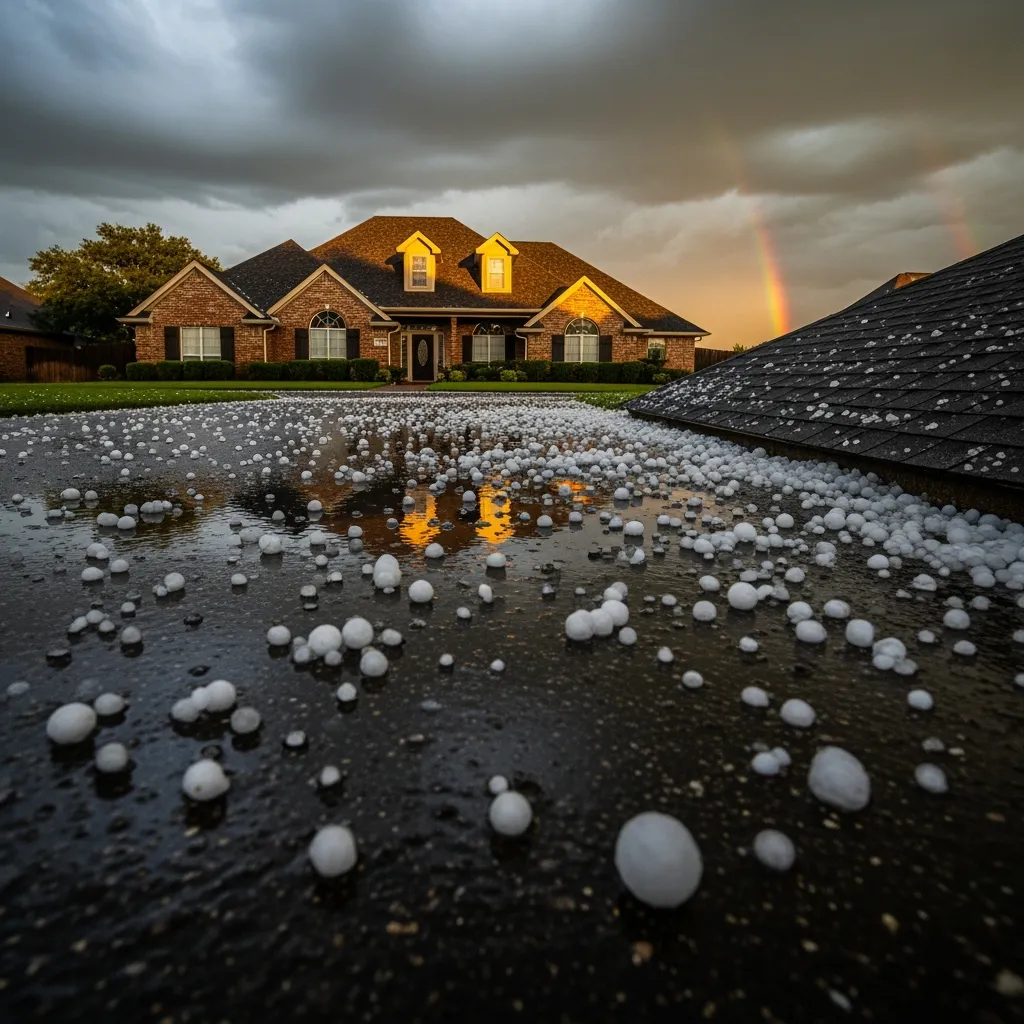
Free Inspection: (214) 649-5984Did you just have a hail storm pass through your area? Hailstorms roll through North Texas every spring and summer, and sometimes during the winter and fall. You don't always see the damage that hail can do. The cracked shingles, dented vents, and granule loss can go unnoticed for weeks while moisture works its way through the damaged areas. This page covers hail damage inspections, shingle and material repair, and insurance claim support for residential roofs in Farmers Branch and across Dallas and the surrounding area. We offer same-week inspections with photo documentation and a clear repair plan from an insured, GAF-certified Dallas-Fort Worth roofing contractor, based in Farmers Branch.
What Is Hail Damage Roof Repair in North Texas?
Hail damage roof repair is the process of restoring a roof after hailstones damage your roof. They crack, dent, or strip protective material from shingles, flashing, and vents. The storms in North Texas can produce golf-ball-sized hail when the conditions are right. It's important to get the damage looked at quickly. Otherwise, a small problem can turn into leaks, mold, or worse, early roof failure.
A hail damage roof inspection will identify bruised shingles, granule loss, and cracked flashing that you can't always see from the ground. Repairs can include shingle replacement, flashing resealing, or full slope restoration, depending on the extent of the damage. Most homeowners insurance policies in Texas cover hail damage when claims are filed promptly. The Texas Department of Insurance recommends filing as soon as you spot damage from a specific storm event.3
Hail Leaves Hidden Roof Damage That Gets Worse Over Time
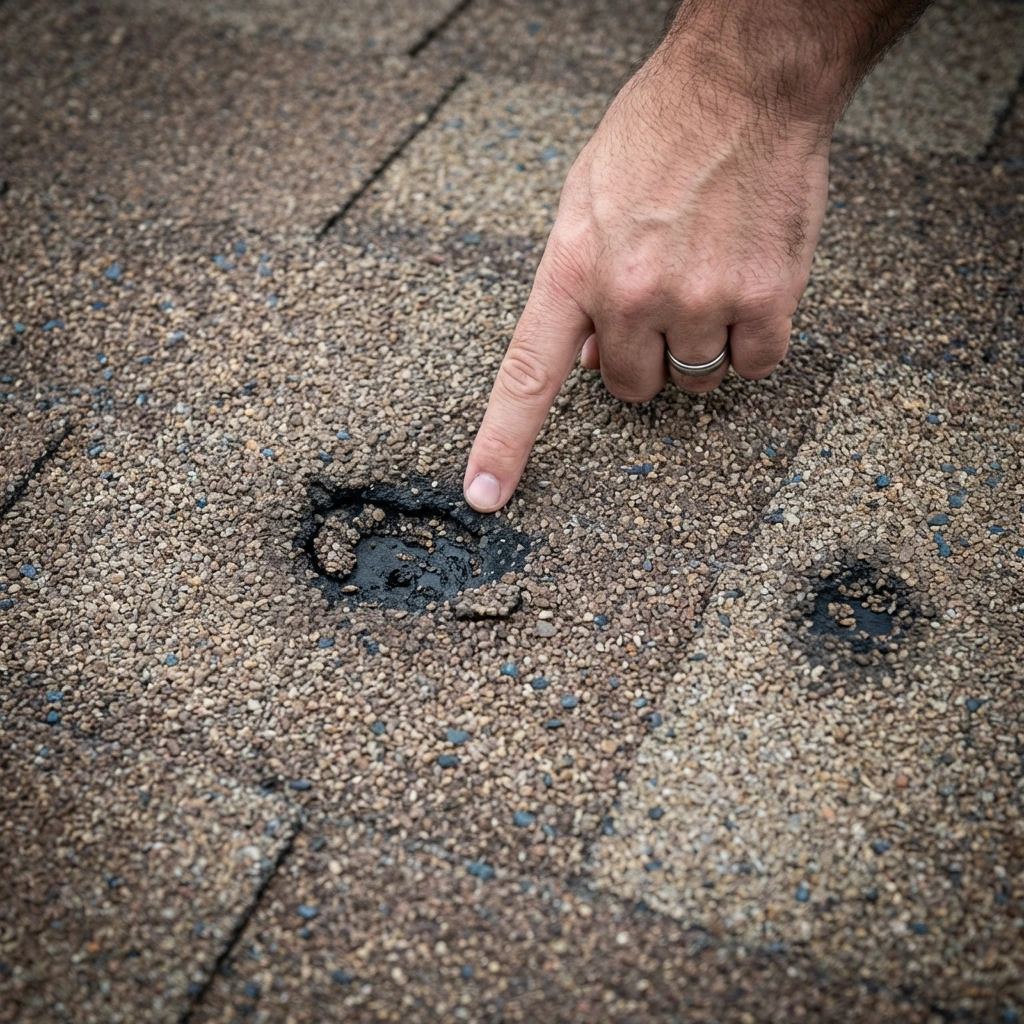
After a hailstorm, the visible damage from the ground is often just the tip of the iceberg. Cracked shingles and dented gutters are the obvious signs, but there are additional issues that can occur beneath the surface. One of the biggest concerns is granule loss. These tiny granules play a crucial role in protecting asphalt shingles from UV exposure and water penetration. Once they are worn away, the shingles underneath begin to deteriorate more quickly than they should.
Dallas sits right in the area of what storm researchers call "Hail Alley." According to NOAA's National Centers for Environmental Information, Texas recorded 190 billion-dollar weather and climate disaster events between 1980 and 2024, and 126 of those were severe storm events that included hail.1 Spring storm season, which happens from March through June, is peak season for hail. Older roofs in neighborhoods like Oak Cliff, East Dallas, and parts of Arlington tend to take the hardest hit because the original materials have already seen decades of wear.
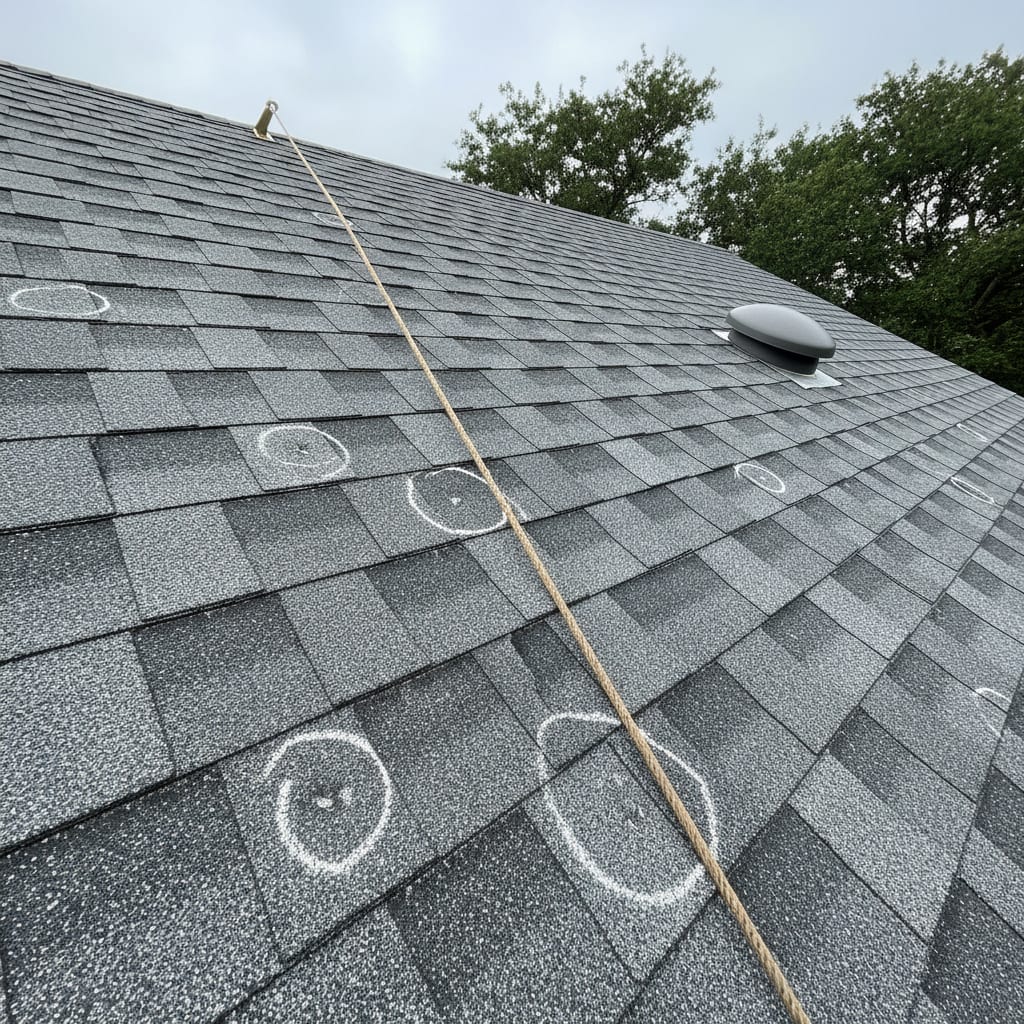
A trained inspector can find bruised underlayment, hairline cracks in the flashing around chimneys and vents, and soft spots in the decking (that's the plywood layer underneath your shingles) that you'd never catch from the driveway. Getting someone up there early is what keeps a repair bill from turning into a replacement.
Dallas Homeowners Should File a Hail Claim Before Damage Spreads
If you're undecided about filing a claim, it's worth noting that most insurance policies in Texas do cover hail damage, and the Texas Department of Insurance recommends filing your claim as soon as possible after a damaging storm.3 The longer you wait, the harder it can be to prove the damage came from a specific storm and an additional weather event could make things worse, quickly.
Delayed repairs open the door to problems that can go well beyond the roof itself. Water that slips in through cracked shingles or damaged flashing can lead to mold growth in the attic, rotting wood along the fascia (the panels along the edge of your roofline), and interior ceiling stains that are expensive to fix. If a second storm hits before you've addressed the first round of damage, your insurer may deny the new claim because the original damage wasn't repaired.
One thing many Dallas-area homeowners don't realize is that their policy may include a separate wind and hail deductible, often 1–2% of the home's insured value. That's different from a standard flat-dollar deductible. Homeowners in North Dallas and Richardson should review their policy language before storm season hits so there are no surprises when it's time to file.
What to Tell Your Insurance Adjuster After a Dallas Hail Storm
When the adjuster comes out, stick to the facts. Give them the date of the storm, point out any visible damage you've noticed, and mention any temporary repairs you made to prevent further water intrusion. That's it. You don't need to speculate about what caused the damage or offer opinions on the age of your roof.
There is one thing you should avoid saying when working with your insurance, which happens frequently. You shouldn't tell the adjuster, "maybe it was just wear and tear" or anything close to that. Even if you're being honest, that kind of statement can give the insurance company a reason to classify the damage as a maintenance issue rather than storm damage, and maintenance issues are not covered.
It's a good idea to have your roofing contractor present during the adjuster's inspection. A joint assessment means both parties are looking at the same damage at the same time, and your contractor can point out issues like granule loss in the valleys or lifted flashing that an adjuster might overlook. Many times, after major hail events pass through North Texas, adjusters can get backlogged for weeks, so homeowners in Carrollton, Garland, Fort Worth, and Dallas should schedule their inspections early in the season to stay ahead of the rush.
The Texas Department of Insurance also warns homeowners to avoid any contractor who offers to waive your deductible. Under Texas state law, waiving a homeowner's insurance deductible is illegal.3 If someone knocks on your door after a storm and makes that offer, that's a red flag. Learn more about our insurance claims assistance services.
How Professional Roofers Repair Hail Damage on Dallas Homes
The repair process starts with a full inspection, not just the area where you noticed a problem. We go over the entire roof surface looking for cracked shingles, dented vents, compromised flashing around chimneys and skylights, and any soft spots in the decking. Everything gets documented with photos because that documentation is what helps support your insurance claim.
Once we know what we're dealing with, the repair plan depends on how widespread the damage is. If it's limited to a small area, we can usually replace the affected shingles and reseal any flashing that's been compromised. But if 25% or more of a single roof slope is damaged, many insurers will approve a full slope replacement rather than patching, because patching that much area doesn't hold up very well over time. This aligns with installation and repair guidance from the National Roofing Contractors Association.4
Material matching is another factor that gets overlooked. We match shingle color, profile, and manufacturer so the repaired section blends in with the rest of the roof. Most of our residential repairs in the DFW area involve GAF or Owens Corning architectural shingles since those are the most common on Dallas homes. After the repair, we do a final quality check and walk you through what was done and what to keep an eye on going forward.
Dallas building codes require permits for full roof replacements, so if your repair turns into a replacement, we handle that permitting process. After major storms, material demand spikes across the metroplex, so booking your repair early helps avoid delays that can stretch into weeks.

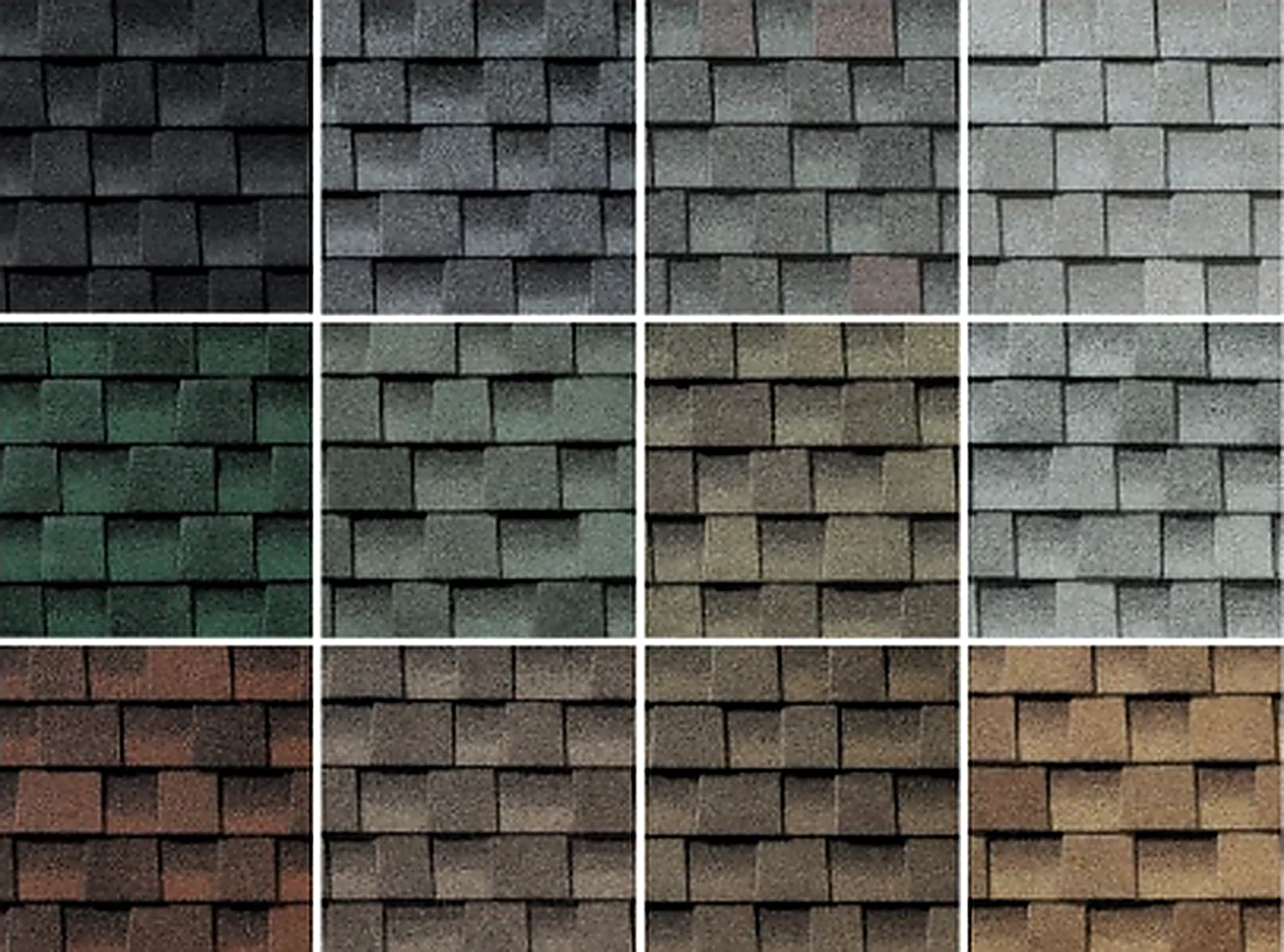
Impact-Resistant Roofing Helps Dallas-Fort Worth Homes Survive the Next Storm
If you're replacing a roof after hail damage, it's worth considering impact-resistant shingles for the new installation. The Insurance Institute for Business and Home Safety (IBHS) rates impact-resistant shingles on a scale from Poor to Excellent, and products rated Good or Excellent are recommended for areas that see regular hail.2 Dallas-Fort Worth falls squarely in that category.
What makes IBHS testing different from the standard UL 2218 Class 4 test is that IBHS uses lab-made ice balls that simulate real hailstones rather than steel balls.2 That gives you a more realistic picture of how a shingle will actually perform when a storm hits. Some shingles that pass the steel ball test don't do as well against real ice, which is the whole point of the IBHS rating system.
There's a financial benefit too. Some Texas insurers offer premium discounts for homes with Class 4 impact-resistant shingles installed. Given that Dallas-Fort Worth has experienced multiple billion-dollar hail events since 1995,1 investing in better materials is less about "if" you'll need them and more about "when." The Insurance Information Institute reports that Texas led the nation with 902 major hail events in 2025, more than double the next-highest state.5
For homeowners in newer subdivisions near Far North Dallas and along the Frisco border, as well as those with aging roofs in Lakewood, upgrading to an impact-resistant product can reduce the chances of going through this whole process again after the next spring storm season. Learn more about our hail damage replacement services.
Why North Texas Homeowners Choose Us for Hail Damage Roof Repair
Picking a hail damage roofing contractor in the Dallas-Fort Worth area can feel like a gamble. After a big storm, you'll see plenty of out-of-state crews with magnetic signs on their trucks knocking on doors. Some of them are fine. A lot of them aren't. Either way, they're not going to be around when something goes wrong six months later, which is the part that really matters.
Our team is GAF-certified and fully insured, working out of Farmers Branch. We're local. We're verified by one of the largest shingle manufacturers in the country. And we carry the insurance to back our work. Most of our hail damage repairs have been across Dallas, Carrollton, Plano, Richardson, Arlington, and Fort Worth.
When you call us out, you'll get a real inspection instead of a sales pitch. We document what we find with photos and walk you through what's actually going on with the roof. From there, we put together a clear repair plan that explains what needs to be done and why, before any work starts. If your damage is going through insurance, we can help with the claim too, including being on-site during the adjuster's inspection. And when the repair is done, the materials we use match what's already on your home, so the repaired section blends in instead of standing out.
Frequently Asked Questions
Can hail damage on my Dallas roof be repaired, or does the whole roof need replacing?
It depends on how widespread the damage is. Minor damage like a few cracked shingles in one area can usually be repaired without replacing the whole roof. But if there's granule loss across multiple slopes or damage covering 25% or more of a single slope, replacement is typically the better path because patching that much surface area doesn't hold up long-term. A professional inspection is the only way to know for sure which approach makes sense for your situation.
How soon after a hail storm should I schedule a roof inspection in Dallas?
Within a few days if you can. Early documentation strengthens your insurance claim because it ties the damage directly to a specific storm event. Waiting also risks further damage if another storm comes through before repairs are done, and Dallas spring weather is unpredictable enough that follow-up storms are always a possibility.
Will my homeowners insurance cover hail damage repair in Dallas?
Most Texas homeowners policies cover storm-related hail damage as long as you carry wind and hail coverage. The main thing to check is your deductible type. Some policies use a flat dollar amount, but many Dallas-area policies carry a percentage-based wind and hail deductible, usually 1–2% of the insured value. File your claim promptly and document everything with photos before any temporary repairs.
What should I avoid saying to my roof insurance adjuster?
Do not speculate about the cause of the damage or suggest it might be wear and tear. Stick to documented facts: the date of the storm, what you've noticed, and any temporary repairs you made. Having your roofing contractor present during the inspection is a good idea so both sides are looking at the same damage at the same time.
How do I choose a trustworthy roofing contractor for hail repair in Dallas?
Verify that they are insured, check references, and confirm they have experience working in the Dallas area specifically. Avoid storm chasers who show up uninvited and pressure you to sign a contract on the spot. The Texas Department of Insurance warns that any contractor who offers to waive your deductible is breaking state law. A reputable contractor will give you time, answer your questions, and show you documentation of their work.
Sources
- NOAA/NCEI Billion-Dollar Disasters, Texas Summary — ncei.noaa.gov
- IBHS Hail Impact-Resistant Shingle Ratings — ibhs.org
- Texas Dept. of Insurance: Hail Damage Tips — tdi.texas.gov
- NRCA Roofing Guidelines and Resources — nrca.net
- Insurance Information Institute: Facts + Statistics: Hail — iii.org
Get Your Free Hail Damage Inspection Today
Schedule a free inspection to document storm damage and begin your insurance claim process. Same-week inspections available across the DFW metroplex.
Ready for Your
Hail Damage Repair?
Get a free, no-obligation evaluation from our GAF certified team in Farmers Branch. We'll inspect your property, provide a written estimate, and walk you through every option.
Need A Roofing Contractor? Request An Estimate!
Fill out the form and we'll get back to you promptly.
Hail Damage Repair Throughout Dallas-Fort Worth
We provide hail damage repair services across the DFW metroplex:
Related Services
Explore our comprehensive range of home improvement services
Hail Damage Replacement
Full roof replacement
Learn MoreStorm & Wind Damage
Wind damage repair specialists
Learn MoreRoof Repair
Expert roof repairs
Learn MoreResidential Roofing
Complete home roofing solutions
Learn MoreHail Damage Assessment
Insurance claim assistance
Learn MoreInsurance Claims Assistance
Expert claim support
Learn More