
Hail Damage Roof Replacement in Farmers Branch
What Homeowners Need to Know
Free Inspection: (214) 649-5984Dallas gets hit with hailstorms every spring and summer, and the damage isn't always obvious from the ground. This page walks you through hail damage roof replacement, from spotting the first signs of trouble to finishing the install. We offer inspections for homes in Farmers Branch and across Dallas and the surrounding area, and as an insured roofing contractor, we're ready to restore your roof and keep your home protected.
Replacement is one part of our storm damage roofing in Farmers Branch work.
Hail Damage Often Hides Below the Surface of Your Roof
Most people check their roof after a storm by stepping into the yard and looking up. If nothing looks out of place, they move on. The problem is that hail damage doesn't always show itself from the ground, and the stuff you can't see is usually what causes the most trouble down the road.
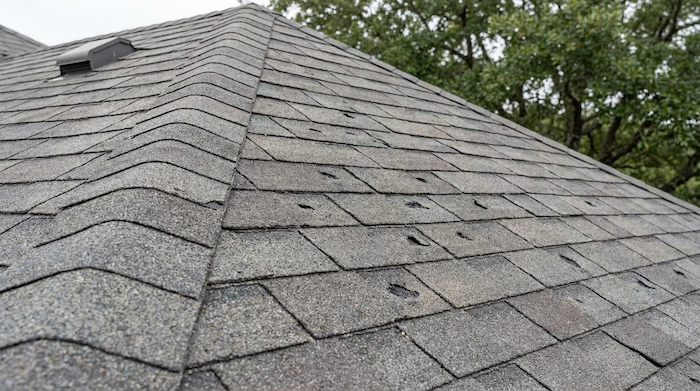
Hailstones strip the protective granules off asphalt shingles, and that granule loss is hard to spot unless you're standing on the roof or looking closely at what's collecting in your gutters. Those granules are what shield the asphalt layer from UV rays and moisture. Once they're gone, the shingle underneath starts aging faster than it should, and that process doesn't slow down on its own.
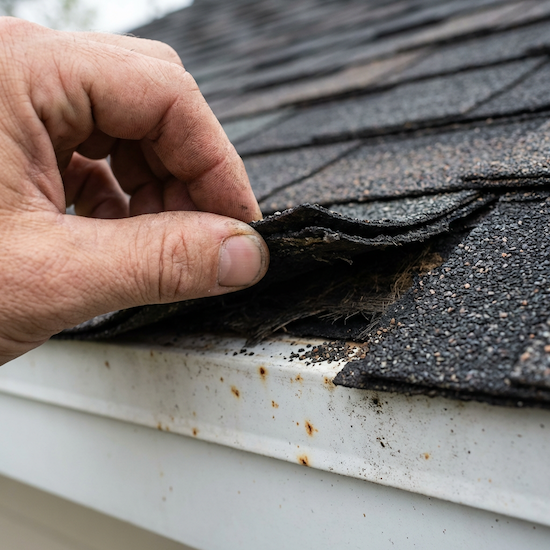
Beyond the surface, hail bruises the mat underneath the shingle. Think of it like a bruise on fruit. The outside might look fine, but underneath, the material is weakened. A trained inspector can press on a shingle and feel the soft spots where the mat has been compressed. That kind of damage shortens the life of the roof, even if there's no visible cracking yet.
Dallas sits in what some storm researchers call "Hail Alley." Texas had more major hail events than any other state in 2025, according to Triple-I. Older roofs in neighborhoods like Lake Highlands are especially vulnerable because the original shingles have already been through years of heat cycling and UV exposure. When hail lands on shingles that are already worn, the damage goes deeper and spreads faster. Getting a professional up there within a few days of a storm is the single best way to catch problems before they turn into a full replacement situation you weren't expecting.

An Insurance Claim Can Cover Your Hail Damage Roof Replacement
If you've been told your roof needs replacing after hail, the cost is understandably the first thing on your mind. The good news is that most homeowners insurance policies in Texas cover hail damage as a named peril, which means a full replacement can be covered as long as the damage meets your policy's threshold.
The Texas Department of Insurance advises homeowners to file their claim promptly after a damaging storm and to document everything with photos before any temporary repairs are made. Waiting too long can make it harder to prove the damage came from a specific event, and if another storm rolls through before you've filed, things get complicated fast.
One detail that catches a lot of Dallas homeowners off guard is the deductible structure. Some policies use a percentage deductible for wind and hail, like 1% or 2% of your home's insured value. On a home insured for $400,000, a 2% deductible comes out to $8,000, which is a significant amount to plan for.
Homeowners in Oak Cliff and North Dallas should pull out their policy and check whether they carry replacement cost coverage or actual cash value coverage. Replacement cost pays to install a new roof at current prices. Actual cash value factors in depreciation, so you get less as the roof ages. That distinction can mean thousands of dollars in what your insurer actually pays out.
It's also worth knowing that Texas law makes it illegal for any contractor to offer to waive your deductible. If someone shows up after a storm and tells you they'll cover that cost, walk away. That's not a favor. It's a violation of state law, and it usually means corners are going to get cut somewhere else on the job.
What to Say and Avoid When Meeting Your Roof Insurance Adjuster
The adjuster visit is one of the most important steps in getting your hail damage roof replacement approved, and how you handle it matters more than most homeowners realize.
When the adjuster arrives, stick to what you know. Give them the date of the storm, point out any damage you've noticed from the ground, and mention any temporary repairs you made to stop water from getting in. Keep it factual and keep it brief. You don't need to guess about the cause of the damage or offer theories about your roof's age or condition.
Be careful with words like "it might just be old" or "maybe it was wear and tear" can give the insurer a reason to classify the damage as a maintenance issue. Maintenance isn't covered. Even if you're trying to be honest, that kind of language can work against your claim in ways that are hard to undo once it's in the adjuster's notes.
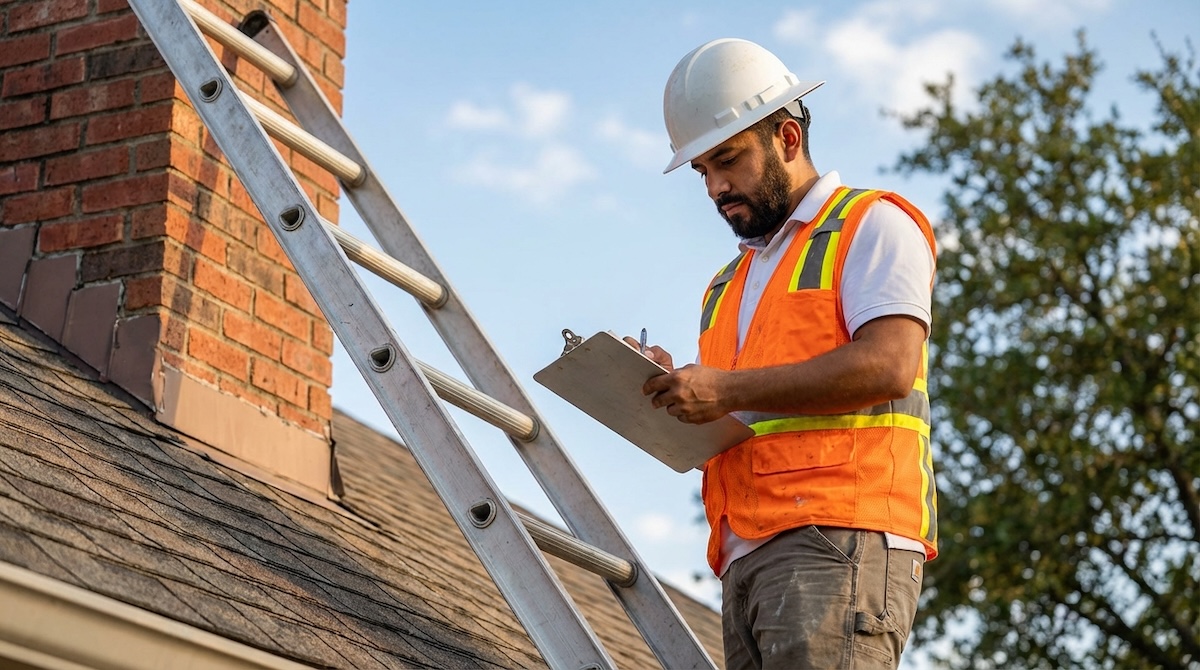
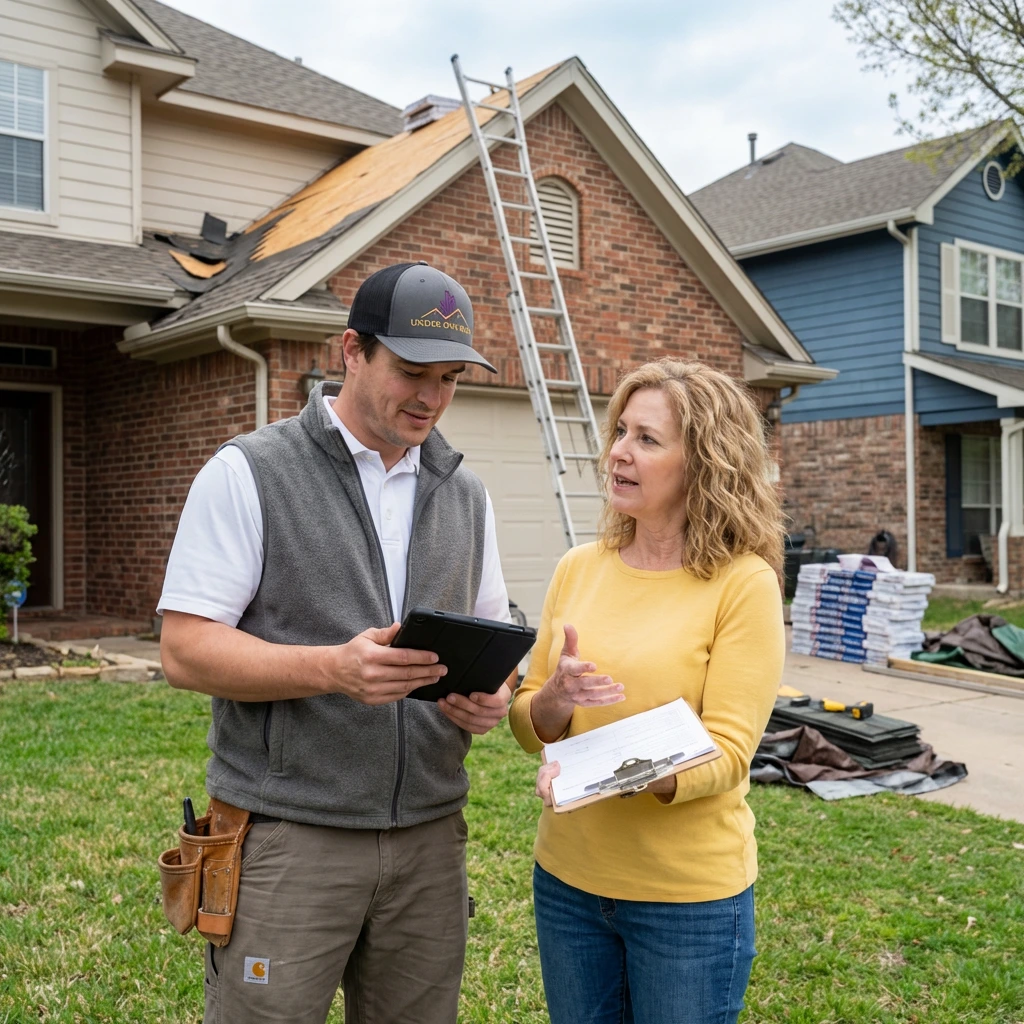
Having your own roofing contractor present during the inspection is one of the smartest things you can do. When both the adjuster and your contractor are looking at the same damage at the same time, there's less room for things to get missed. Your contractor can point out granule loss patterns, bruised shingles, and compromised flashing that an adjuster working through a heavy caseload might move past quickly.
After big spring storms in the Dallas-Fort Worth area, adjusters can get backed up. That's just the reality of living in a hail-prone area. Homeowners in Preston Hollow and Lakewood who schedule their inspections early in the season tend to get through the process faster because they aren't competing with a wave of other claims filed the same week. If you know a storm hit your area, don't wait to see if someone else calls first.
When Hail Damage Means a Full Roof Replacement
You may hear about a "25% rule." It comes from Florida's building code. Texas doesn't have one.
Whether you get a repair or a full replacement depends on the damage and your policy. Your insurer looks at how much of the roof is damaged and whether a repair will hold. If the shingles around the damage are brittle or can't be matched, a repair may not make sense.
Ask for a written scope that lists every damaged slope. That's what your adjuster works from.
Homes in East Dallas and Uptown sometimes have mixed-age roof sections where one slope was repaired or replaced years ago and the rest is original. In those cases, the newer section might pass inspection while the older slopes fail, and that uneven wear pattern often pushes the claim toward full replacement since matching materials across different installation dates is difficult and rarely looks right.
Cold Weather and Timing Affect When Your Roof Can Be Replaced
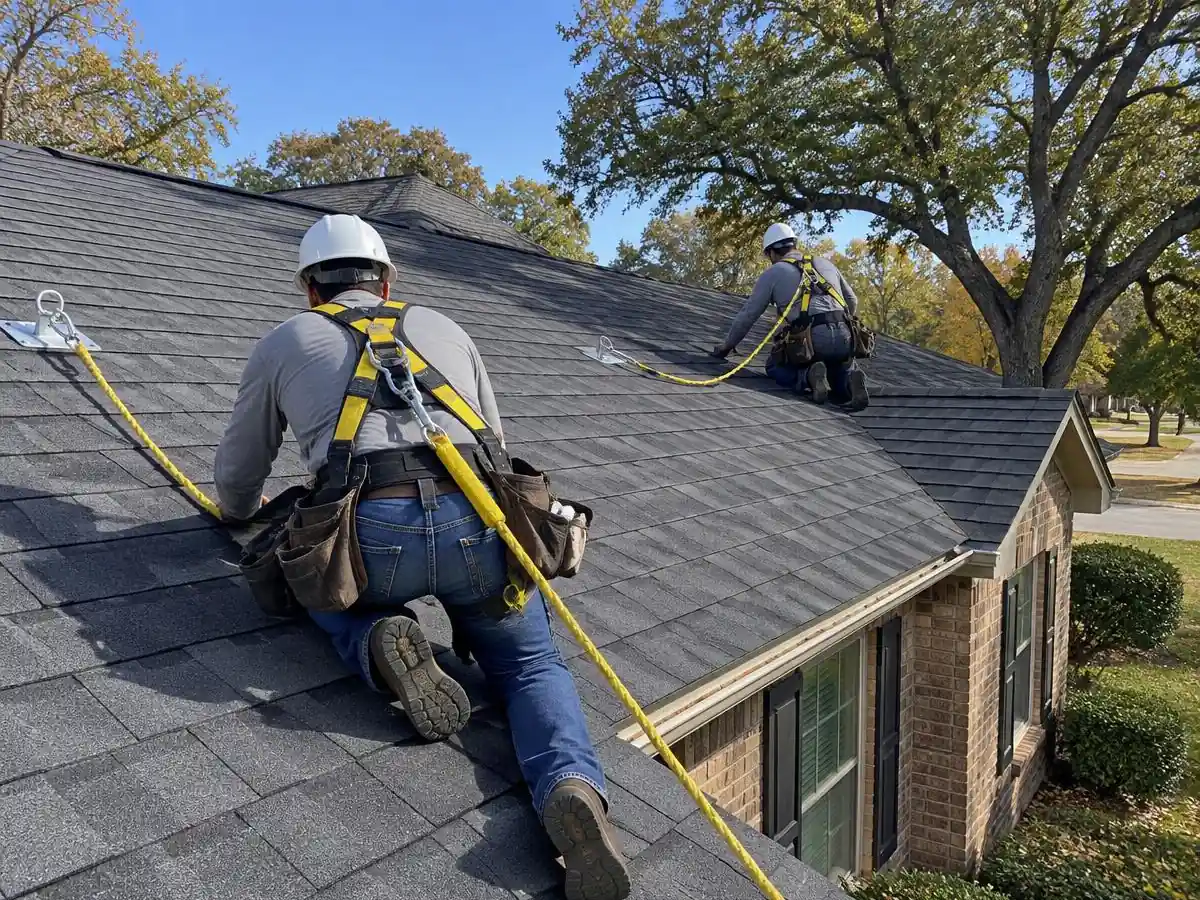
Once your claim is approved and you're ready to move forward, timing matters more than most homeowners expect. Shingle adhesive strips need warm temperatures to seal properly, and many shingle makers want warmer weather so the sealant strips bond. In colder weather, the adhesive doesn't activate the way it should, which can leave shingles vulnerable to wind lift until warmer weather arrives.
The good news is that Dallas winters are mild compared to most of the country. There are usually only a handful of weeks between December and February where temperatures drop low enough to cause real installation concerns. That means most months of the year are workable for a roof replacement in the Dallas-Fort Worth area.
The best conditions fall between March and November. Spring through early fall gives you warm temperatures, longer daylight hours, and the best conditions for shingle adhesion. If your damage happened during a fall or early winter storm, it's still possible to get the work done before temperatures drop, but scheduling quickly makes a difference.
OSHA requires fall protection for roofing work 6 feet or more above a lower level, in any season. Cold, wet, or icy surfaces add risk for the crew, so a responsible contractor will factor those conditions into the scheduling. Rushing a job in bad weather to meet a deadline isn't something we do, and you shouldn't want a contractor who does.
Homeowners in Garland and Mesquite who put off replacement after a fall storm sometimes end up dealing with secondary water damage before the next spring season arrives. A small leak that starts in November can do a lot of damage to attic insulation, ceiling drywall, and even electrical wiring by the time March rolls around. If you're weighing whether to move forward now or wait, the cost of waiting usually outweighs the inconvenience of scheduling during a cooler month.
Should a Roof Be Replaced After Hail Damage in Dallas?
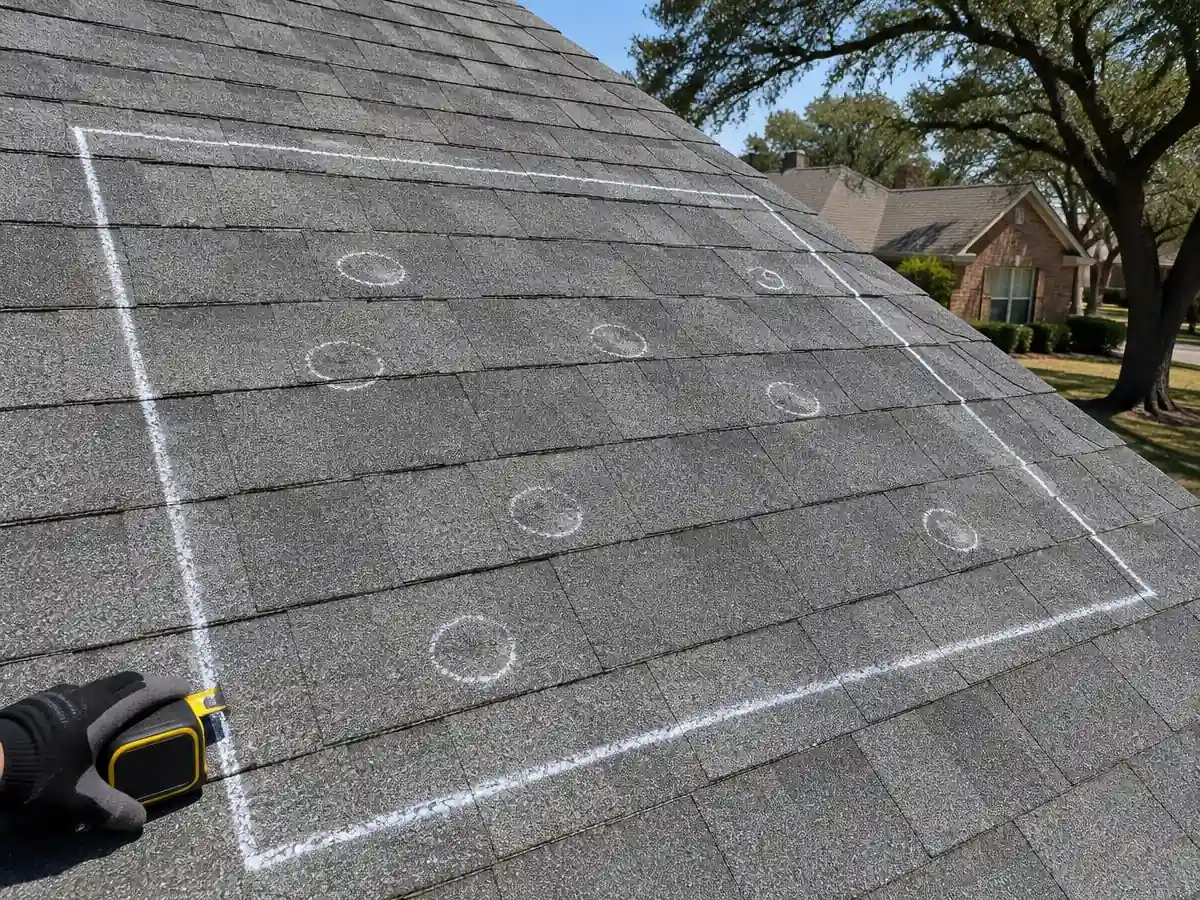
A roof should be replaced after hail when the damage goes beyond what's visible from the ground. Hail strips protective granules from shingles and bruises the mat underneath, which shortens the roof's lifespan and leads to leaks over time.
- Granule loss exposes asphalt to UV rays and speeds up aging
- Multiple hail hits per 10×10 test square often trigger full replacement approval
- Dallas spring storms make fast inspection after hail a priority
A fully insured roofing contractor can document the damage for your insurance claim. Schedule a roof inspection after any Dallas hailstorm to catch problems before they spread.
Schedule Your Free Hail Damage Inspection
Get a professional up on your roof within days of the storm. We document the damage, meet your adjuster, file supplements when something was missed, and handle the full replacement.
Frequently Asked Questions
How do I know if my Dallas roof needs replacement after hail?
A professional inspection is the only reliable way to find out. The inspector checks for granule loss, bruised shingles, cracked flashing, and soft spots in the decking that aren't visible from the ground. If enough damage shows up across the test squares, replacement is usually the better path. We offer free inspections across Dallas, so scheduling one after a storm is a good place to start.
Will my homeowners insurance pay for a hail damage roof replacement in Dallas?
Most Texas homeowners policies cover hail as a named peril, so yes, a full replacement can be covered when the damage meets your policy's threshold. File your claim promptly after the storm and document all visible damage with photos. Check whether your policy carries replacement cost or actual cash value coverage, and review your wind and hail deductible so you know what to expect out of pocket.
How long does a hail-damaged roof last before it starts leaking?
It depends on the severity of the damage, but deterioration is already underway the moment granules are stripped from the shingles. UV exposure starts breaking down the exposed asphalt layer, and water can work its way through cracked or bruised areas during the next rain. Some homeowners don't see leaks for months after the storm, but by then, the damage inside the attic and decking has been building quietly. Booking an inspection soon after hail is the best way to stay ahead of it.
Can I get my roof replaced if the adjuster says it only needs repair?
You can ask your insurance company for a re-inspection. We can meet the adjuster on the roof, walk through the photos we took, and file a supplement for anything that was missed. Having your own contractor there for the first visit makes it less likely damage gets overlooked.
What is the best time of year to replace a hail-damaged roof in Dallas?
Spring through fall offers the best installation conditions because shingle sealant strips need steady warmth to seal properly. Dallas winters are mild enough that most months still work for replacement, but warmer weather gives you better adhesion and longer daylight hours for the crew. If your damage happened in late fall or winter, don't wait until spring if there's a risk of leaks getting worse in the meantime.