Professional EPDM Rubber Roofing Installation in Dallas, TX
Durable rubber membrane systems for commercial properties
Get Free Estimate: (214) 649-5984In Dallas, EPDM rubber roofing gives flat and low-slope commercial buildings waterproof protection. This page covers EPDM membrane installation, repair options, and how these systems perform in North Texas weather. We're insured roofing contractors who provide free estimates and same-week service scheduling. Proven rubber membrane systems protect Dallas properties from brutal summer heat and storm damage.
What is EPDM rubber roofing in Dallas?
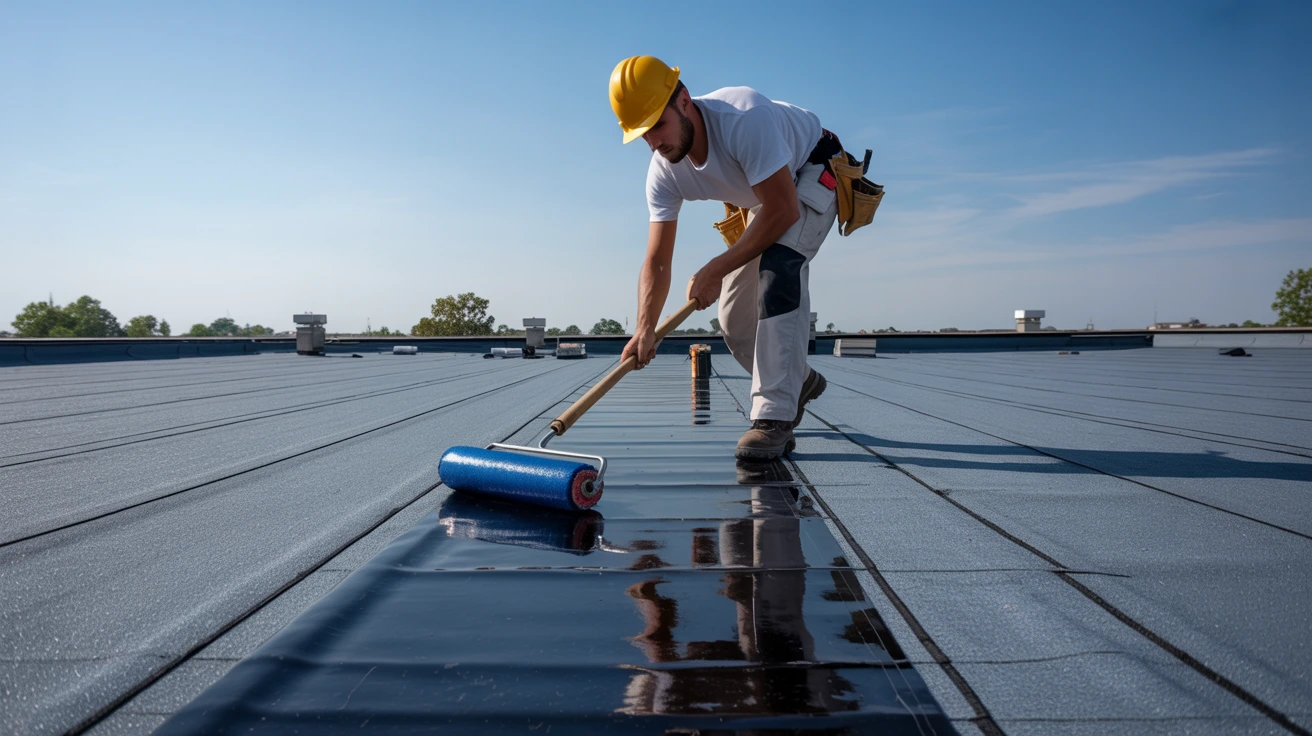
EPDM (ethylene propylene diene monomer) is a synthetic rubber membrane used on flat and low-slope commercial roofs. This single-ply system has protected buildings for over 40 years.[1] We install EPDM on warehouses, apartments, and retail centers throughout Dallas.
- Available in black or white membranes measuring up to 50 feet wide
- Installed using ballasted, mechanically fastened, or fully adhered methods
- Meets ASTM D4637 standards for weather-exposed roofing applications
EPDM Rubber Membranes Provide Single-Ply Waterproofing for Commercial Buildings
If you own a warehouse, retail building, or apartment complex in Dallas, you know flat roofs take a beating. EPDM rubber membranes give you single-layer protection that goes on faster than old tar and gravel systems. We see building managers in the Design District and North Dallas replacing those worn-out traditional roofs with modern rubber membranes.
Here's what makes EPDM different. The whole system is one rubber layer instead of multiple built-up layers. That means we finish the installation quicker, and you get back to business sooner. The National Roofing Contractors Association recognizes EPDM as the leading commercial roofing membrane, which tells you something about how well these systems work.
Dallas heat destroys roofing materials faster than most places. Traditional roofing breaks down under our summer sun year after year. Durable EPDM membranes hold up better because they're built for weather extremes. The sheets come up to 50 feet wide, so we use fewer seams on your expansive commercial rooftop. Fewer seams means fewer spots where leaks can start down the road.
Understanding EPDM Service Life and Performance in Dallas Climate
Property investors and facilities managers always ask us the same question: how long will this roof last? If you're planning capital improvements for buildings in Oak Cliff or East Dallas, you need real numbers for your budget.
Research from the EPDM Roofing Association shows membranes exceed 30 years in field applications. We've seen properly maintained systems in Dallas withstand UV exposure and temperature swings that would crack other materials. That's a solid return on your investment when you're managing multiple properties.
North Texas summers hit 100+ degrees regularly. Those temperatures test every roofing material out there. Black rubber absorbs heat, but white EPDM options reflect solar heat instead. The U.S. Department of Energy explains how reflective roofing reduces cooling costs. Your air conditioning system doesn't work as hard when the roof isn't soaking up heat all day.
Maintenance matters with EPDM just like any commercial roof. Annual inspections catch small problems before they become expensive repairs. We check seams, flashing, and membrane condition every time. Those routine checks keep your 30-year roof performing for the full three decades instead of failing early.
Rubber Roofing Drawbacks to Consider Before Installation
We believe in honest conversations before you spend money on a new roof. EPDM works great for many Dallas buildings, but it's not always the right choice. Building owners in Carrollton and Dallas often compare EPDM to TPO and PVC membranes, and each system has trade-offs.
Seam failures represent the most common EPDM issue we repair. When adhesive doesn't bond properly during installation, or when extreme temperature cycling stresses the joints, seams can separate. That's why installation quality matters so much. A skilled crew with proper adhesives makes the difference between a roof that lasts 30 years and one that leaks after five.
Black EPDM absorbs heat in Dallas summers. Your building becomes an oven on top, which forces your air conditioning to run harder. We usually recommend white EPDM for Texas installations unless you have specific reasons to choose black. The color choice affects your energy bills every month for decades.
Membrane shrinkage happens over time. The rubber can pull away from walls and curbs as it ages, per documentation from the National Roofing Contractors Association. We've seen this more often on buildings where the roof wasn't properly secured at the edges. Regular inspections catch shrinkage before it causes leaks, but you need to plan for maintenance as part of ownership.
TPO and PVC membranes might cost more upfront but offer advantages in certain situations. We help you evaluate all your options based on your building type, budget, and long-term plans.
EPDM Installation Methods and System Options
Developers planning new commercial construction in Deep Ellum and Preston Hollow need to know their options. Property owners replacing existing roofs on older buildings have different considerations. The attachment method depends on your building's structure and what it can safely support.
We use three attachment methods for EPDM: ballasted, mechanically fastened, and fully adhered. Ballasted systems spread river rock across the membrane to hold it down. The weight keeps everything in place without penetrating your roof deck. That's perfect for structures in Northwest Dallas that can't handle additional roof penetrations or have load restrictions.
Mechanically fastened systems use plates and screws through the membrane into the deck. This method works when ballast weight exceeds what your building can support. Fully adhered systems bond the entire membrane to the substrate with adhesive. We recommend this approach for buildings in high-wind zones or where loose ballast isn't practical.
Dallas wind uplift requirements determine which attachment method suits your building. Our local building codes specify minimum wind resistance based on your building's height, location, and exposure. We calculate the required uplift resistance before recommending an installation method.
ASTM D4637 specifications ensure membrane quality for weather-exposed applications. These standards cover thickness, tensile strength, and weather resistance. Every membrane we install meets or exceeds these specifications, which protects your investment and ensures code compliance.
Ballasted EPDM
Cost-effective system using ballast stones to hold the membrane in place. Ideal for roofs with adequate structural capacity.
Fully Adhered EPDM
Maximum wind resistance with membrane fully bonded to the substrate. Perfect for high-wind areas and lighter roof structures.
Mechanically Attached
Secure attachment with fasteners and plates, offering excellent performance and easier future maintenance access.
Frequently Asked Questions
How long does EPDM roofing last in Dallas heat?
Properly installed EPDM membranes perform for 25-30+ years in Dallas climate with regular maintenance. The extreme heat we get in North Texas doesn't destroy EPDM the way it breaks down asphalt-based roofing. Annual inspections and minor repairs when needed keep your membrane protecting your building for decades. We've seen well-maintained EPDM roofs in Dallas hit 35 years and still perform well.
Can EPDM rubber roofs be installed over existing roofing?
Yes, we often install EPDM over existing systems, which reduces tear-off costs and waste. Your building structure needs to support the additional weight, and the existing roof deck must be in good condition. We inspect the current roof carefully before recommending this approach. Installing over existing roofing saves you money on disposal fees and labor while getting the project done faster.
What causes EPDM seams to fail on Dallas commercial buildings?
Poor installation, improper adhesive application, or extreme temperature cycling can compromise seam integrity. Dallas temperature swings from winter cold to summer heat stress the seams more than moderate climates. We see failures most often when contractors rush the adhesive application or don't clean the seam area properly before bonding. Quality installation and proper materials prevent most seam problems.
Is white or black EPDM better for Dallas commercial roofs?
White EPDM reflects heat, reducing cooling costs in hot Dallas summers per Department of Energy research. Black EPDM absorbs solar radiation and makes your building hotter inside. We recommend white membranes for almost every Dallas installation because they save you money on air conditioning year after year. The only time black makes sense is when building codes or aesthetic requirements specifically require it.
How much does EPDM rubber roofing repair cost in Dallas?
Repair costs vary by damage extent; we provide free estimates and warranty coverage. Small seam repairs might run a few hundred dollars, while larger membrane sections cost more to replace. We assess your specific damage and give you exact pricing before starting work. Our warranty protects you if problems develop after we complete repairs.
Do Dallas building codes allow EPDM on commercial properties?
Yes, EPDM systems meeting ASTM D4637 standards comply with Dallas commercial building requirements. We pull permits for every commercial roof installation and ensure code compliance throughout the project. Dallas adopted updated building codes in 2021 and 2023, and EPDM membranes meet all current requirements when properly installed.
Explore Our Commercial Roofing Services
Commercial Roofing
Full-service commercial roofing solutions for Dallas businesses.
Learn MoreTPO Roofing
Energy-efficient TPO membrane systems for flat commercial roofs.
Learn MoreFlat Roof Repair
Expert repair services for commercial flat roof systems.
Learn MoreCommercial Roof Inspections
Comprehensive inspections for commercial properties in Dallas.
Learn MoreGet Your EPDM Roofing Quote Today
Contact Under One Roof for professional EPDM roofing installation in Dallas. Our experienced team provides quality installation with comprehensive warranties.
EPDM Roofing Throughout Dallas-Fort Worth
We provide epdm roofing services across the DFW metroplex: