Building Demolition in Farmers Branch
Any building, any size, taken down safely and cleanly, with the permit and haul-off handled.
Call for a Free Estimate- Fully Insured
- BBB Accredited A+ Rating
- Family Owned and Local
Some buildings are past saving. Maybe it's an old house, a metal shop, a warehouse, or a barn that's been leaning for years. Under One Roof is a family-owned demolition contractor in Farmers Branch. We take buildings down in Farmers Branch and across Dallas and the surrounding area.
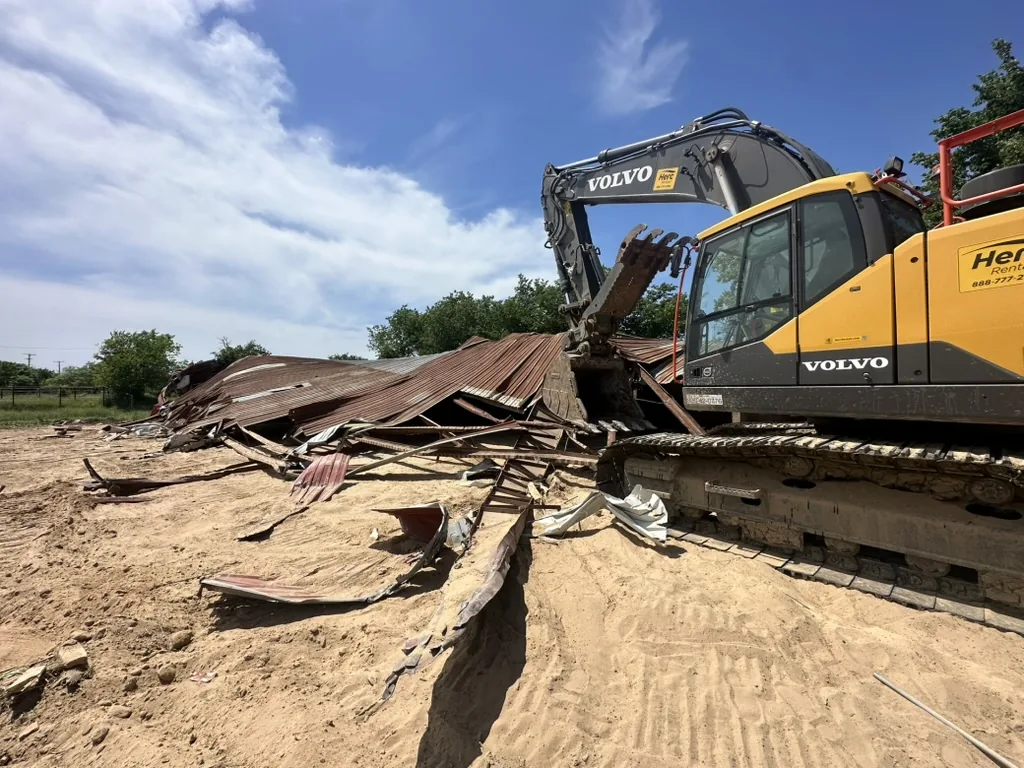
We handle the whole job. We pull the permit, take the building down, and haul off the debris. When we leave, you've got a clean lot and a fresh start. Whether it's one building or a few on the same lot, the process is about the same.
What Building Demolition Means
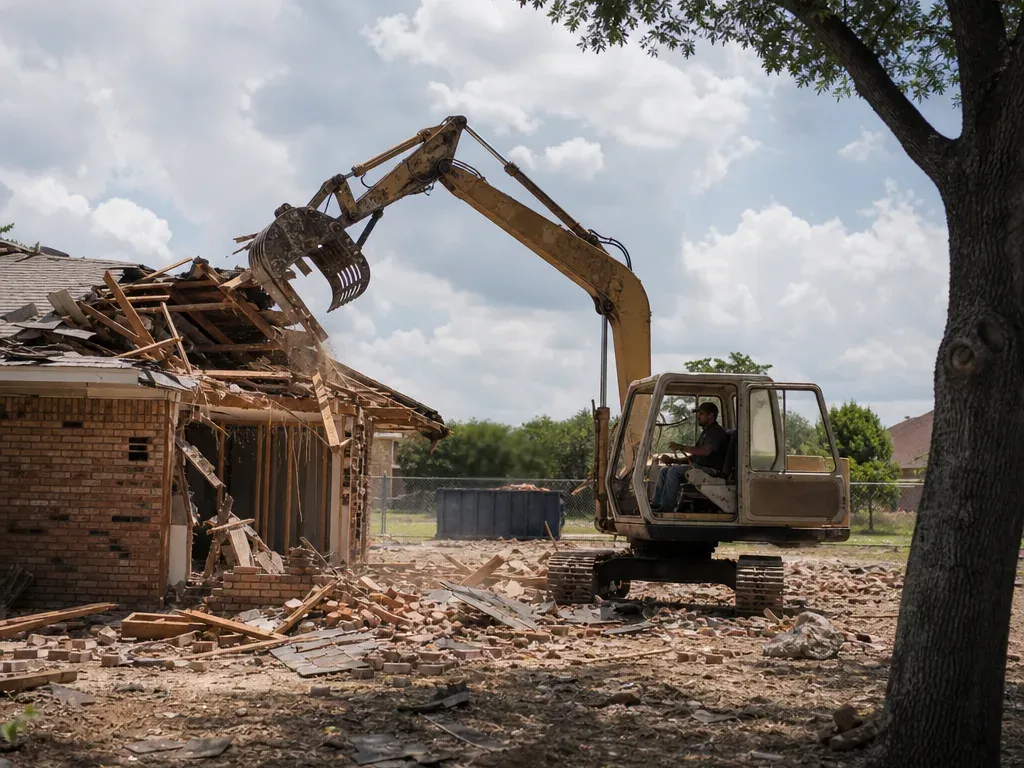
Building demolition is the general name for a full teardown. The whole structure comes down to the ground. It doesn't matter much what kind of building it is. Houses, shops, warehouses, barns, sheds, and detached garages all fall under it.
The type of building changes the plan, not the job. A wood-frame house comes apart differently than a metal shop or a block warehouse. The goal is the same every time. The building comes down safely, and the debris leaves with us.
You'll also hear it called structural demolition. That's heavy equipment taking buildings down safely and cleanly. We handle the permits and haul-off for projects of any size.
We don't take selective demolition jobs, where one part of a building comes out and the rest stays. Own a retail, office, or warehouse property? Our commercial demolition page covers what's different on those jobs. Taking down a home? See house demolition.
Scoping the Job: What Comes Down and What Stays
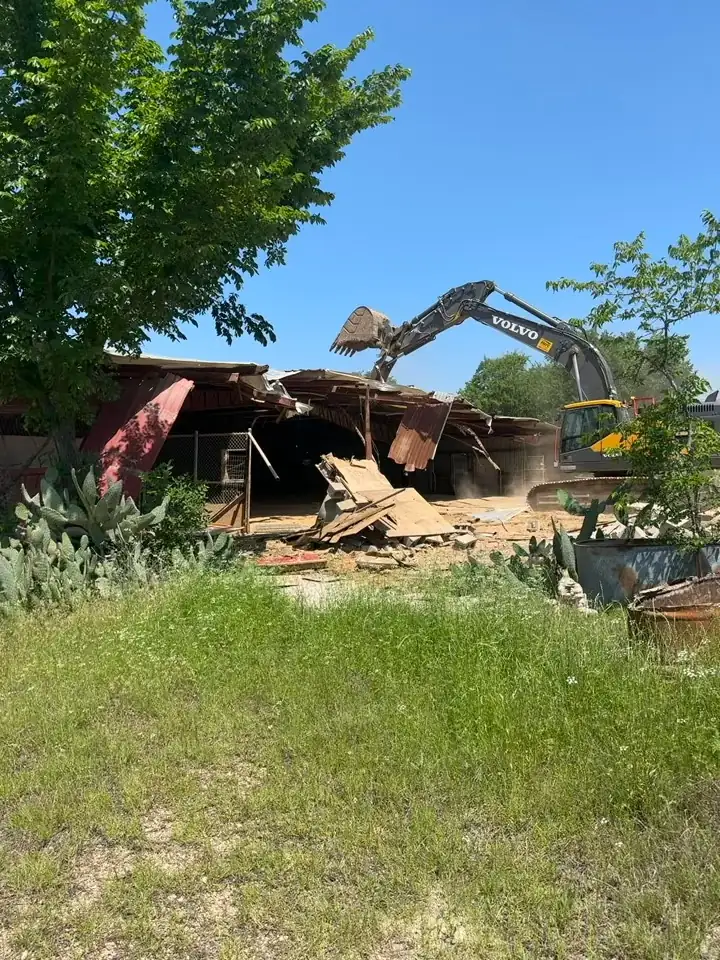
Before anybody can quote a teardown, somebody has to say out loud what's coming down and what isn't. "Tear it down" sounds clear until the crew is packing up and the slab is still sitting there. Most of the trouble on these jobs starts at ground level.
A good scope names each piece, one way or the other:
- The slab or foundation. Does it come out, or are you building back on it?
- Driveways, walkways, and patios. Concrete removal is usually its own line item.
- Fences and other structures near the work area. Say which ones stay.
- Trees and landscaping. Point out anything you want left alone.
A quote that just says "demo building, haul debris" tends to go wrong. A better one lists every item by name: slab out or slab stays, driveway out or driveway stays. It reads longer. It saves an argument. If you're not sure about something, say so. It's easier to settle a fence line on the walk than on demolition day.
It also helps to know what's going up next, if anything. A lot for a new home and a lot for a new shop can call for different scopes. The scope should match where you're headed, not just what you're getting rid of.
Permits and Utilities Come First
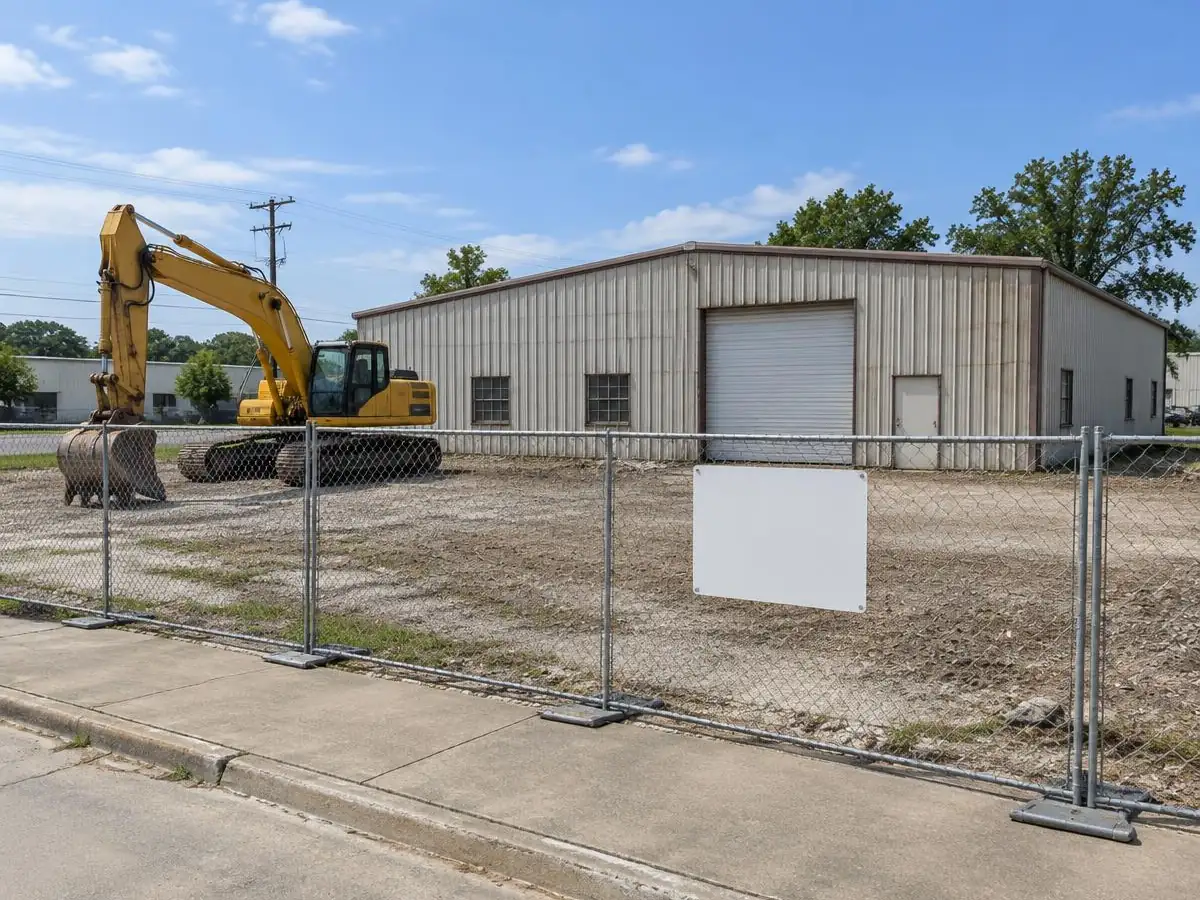
In most cities, tearing down a building is permitted work, the same as putting one up. We pull the demolition permit, so that part is on us. The paperwork has to clear before any equipment shows up. We'll tell you where it stands as we go.
Permit checklists usually ask for more than a form. The City of Dallas demolition permit checklist[1] asks for items like proof of insurance and a solid waste hauling contract. It also asks for a tree survey and notice that utilities are disconnected. Each city sets its own list, and we check what yours needs.
In Dallas, the city's demolition permit checklist calls for an asbestos survey before work starts, so older buildings may need one first.
Utilities are the owner's job. Before work starts, you have the providers disconnect gas, electric, and water. Add a sewer cap if your city requires one. Ask each provider for written confirmation. A meter still on the building is a common reason a start date slips.
Some crews will just start swinging and hope nobody calls it in. A stop-work order on a half-demolished building is worse than a standing building or a cleared lot. Buyers often check permit history too, so a skipped permit can follow the property into a sale.
How a Building Teardown Runs
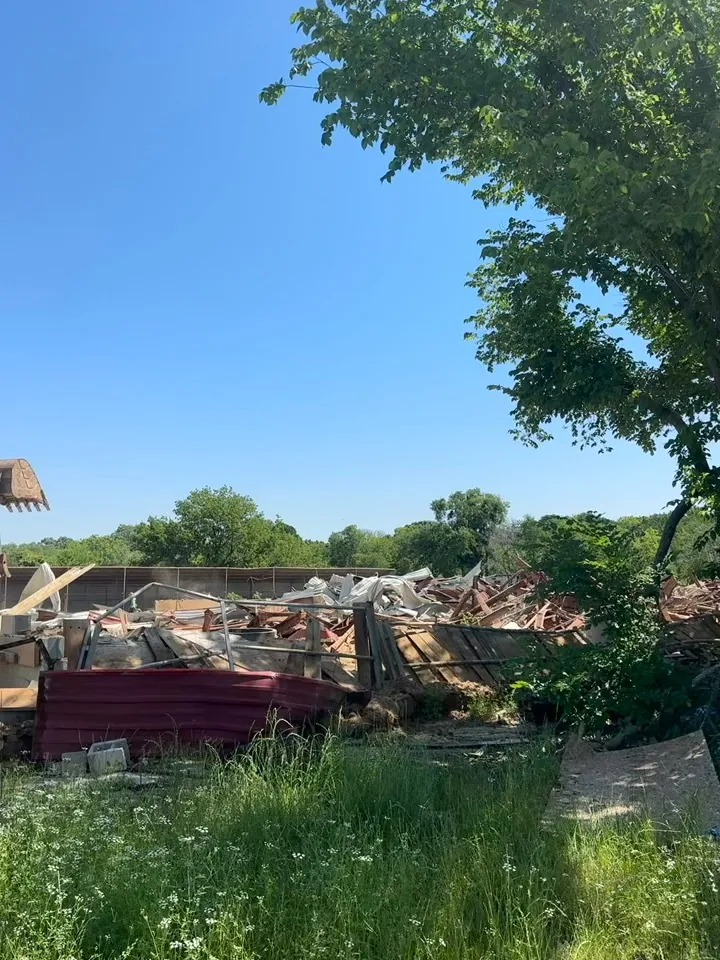
Most teardowns follow the same basic order. The order matters more than the speed, because a few early steps can't be done over.
- Walk the building. We walk it with you and agree on what comes down and what stays.
- Line up the paperwork. We pull the permit while you schedule the utility disconnects.
- Clear out what you want to keep. Doors or fixtures you plan to reuse should be out before day one.
- Take it down. Heavy equipment takes the building down safely and cleanly.
- Haul it off. We haul off the debris, so you're not stuck with a pile.
- Hand back a clean lot. The site is clear and ready for whatever comes next.
How long it takes depends on the building. A detached garage with no utilities usually moves a lot quicker than a big building with three providers to call. Anybody who gives you a firm date before seeing the building and the paperwork is guessing.
A clean lot means the building and its debris are gone. You shouldn't have to call anyone to finish what the demo crew started. If the next contractor has to clean up after us first, we didn't finish the job.
When a Smaller Job Makes More Sense
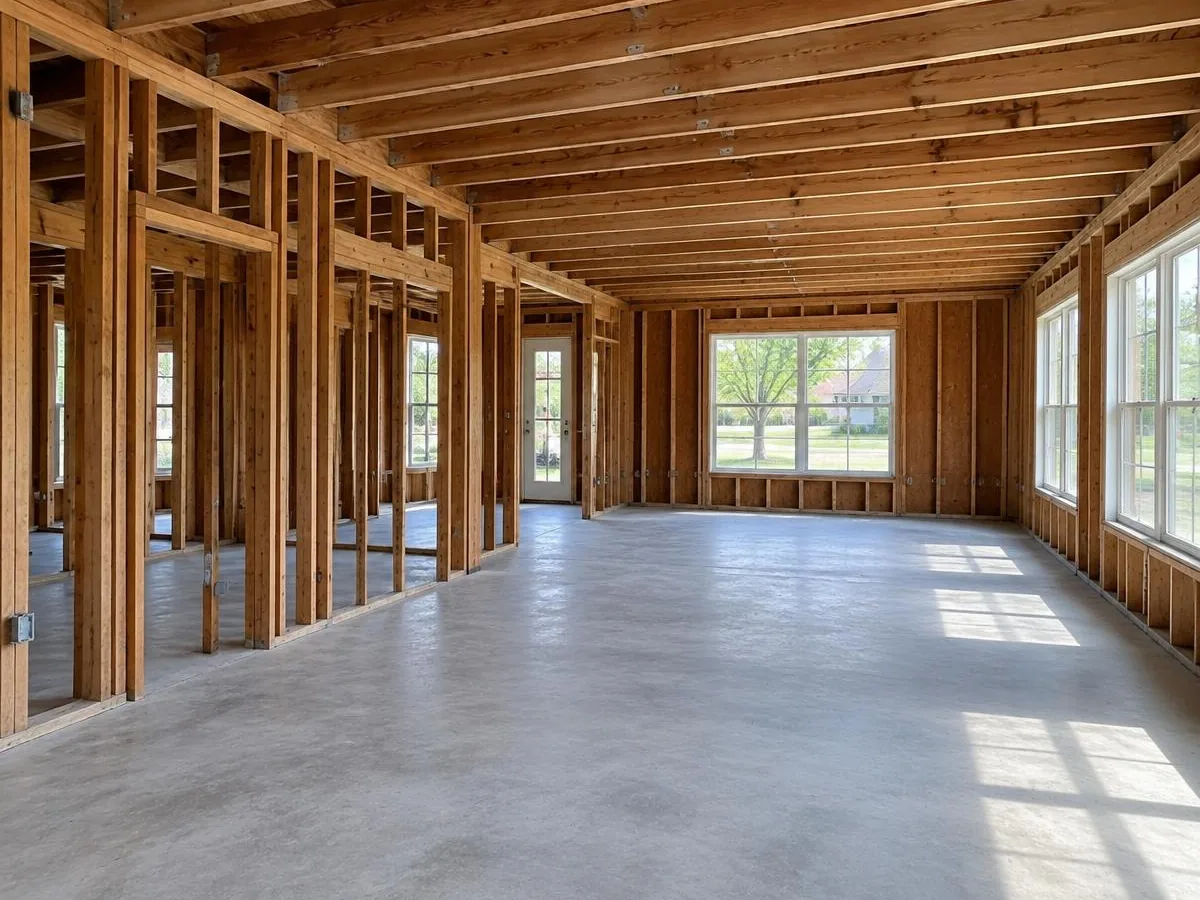
Once a building is down, it stays down. So it pays to be sure that's the job before anybody shows up with equipment. A lot of people call about a teardown when only part of the problem needs solving.
- The building is sound, but the inside is worn out. Interior demolition that guts it to the studs may be all you need.
- All you want gone is concrete. An old driveway or patio is a concrete removal job, not a teardown.
- You might sell. A buyer may see value in a building you were ready to tear down. Get that answer before the lot's cleared.
Sometimes it still ends in a full teardown, and that's fine when the building is past saving. Starting with what's wrong, then working out from there, usually gets you to the right job. I'd always rather talk somebody out of a teardown they don't need than watch them regret one.
Ready to clear a building? Under One Roof is family owned and based in Farmers Branch, and we've been at it since 2021. Our team brings 30+ years of combined experience, and Max is on the jobs himself. We're BBB Accredited with an A+ rating and fully insured. We work from Preston Hollow to Carrollton and the Dallas-Fort Worth area. Call (214) 649-5984 or Request a Quote.
Frequently Asked Questions
What kinds of buildings do you tear down?
We take down buildings of any type and size. That includes houses, shops, warehouses, barns, sheds, and detached garages. If the whole structure is coming down, it's a building demolition job.
What is structural demolition?
Structural demolition is heavy equipment taking a building down safely and cleanly. It's the full teardown, not a partial job. We handle the permits and haul-off for projects of any size.
Who disconnects the utilities before a building comes down?
The owner does. Before work starts, you have the providers disconnect gas, electric, and water. Add a sewer cap if your city requires one. We'll tell you what needs to be done before day one.
Do you pull the permit and haul off the debris?
Yes, we handle both. We pull the demolition permit, take the building down, and haul off the debris. You're left with a clean lot.
What happens to the slab or driveway during a teardown?
It depends on what your scope says, so we spell it out before work starts. A vague quote often leaves the slab or driveway sitting there when the crew leaves. We list each item by name, like slab out or slab stays.
How long does a building teardown take?
It depends on the building, so there's no set number of days. A detached garage with no utilities usually moves quicker than a large building with several providers to disconnect. We'll give you a clearer picture after we've walked it.
Ready for Your
Building Demolition?
Get a free, no-obligation walkthrough from our family-owned team in Farmers Branch. We'll look at the property, give you a written quote, and walk you through what comes down and what stays. We work from Preston Hollow to Carrollton and the Dallas-Fort Worth area.
Need a Demolition Contractor? Request An Estimate!
Fill out the form and we'll get back to you promptly.